


8 min read |
Diabetes in cats is one of the most significant differences between feline and canine medicine — and one that gives cat owners genuine grounds for optimism that dog owners do not have. VCA Animal Hospitals states it plainly: with careful treatment, your cat’s diabetes may well go into remission. Approximately 50% or more of diabetic cats treated aggressively with insulin and a low-carbohydrate diet no longer require insulin injections within weeks to months of starting treatment.
That is not a typo or an overstatement. Half of diabetic cats can become non-diabetic with the right treatment approach. This is not the message most owners receive at diagnosis, and it fundamentally changes how treatment decisions should be made. Early, aggressive management is not just about managing the disease — it is about potentially eliminating the need for ongoing insulin therapy.
The Animal Medical Center frames this clearly: achieving diabetic remission requires intensive management using home blood sugar monitoring, twice-daily insulin injections, and a low-carbohydrate diet. The work is front-loaded. The reward, for many cats, is freedom from daily injections.
You may also want to read our guide on why is my cat not eating?.
Related: our guide on hyperthyroidism in cats covers this in more depth.
Why Feline Diabetes Is Different from Canine Diabetes
The 2026 AAHA Diabetes Management Guidelines for Cats open by acknowledging the key difference: diabetes management in cats requires a different approach from diabetes in dogs. The pathophysiology explains why:
Feline diabetes resembles human Type 2 diabetes — it is characterised by insulin resistance and impaired beta-cell function rather than outright destruction of insulin-producing cells. This means beta cells can potentially recover if the glucose toxicity driving their dysfunction is relieved quickly enough. The window for remission is roughly the first 6 months after diagnosis — Cornell Feline Health Center confirms that if a cat has not entered diabetic remission within the first six months after diagnosis, it will almost certainly require lifelong insulin injections.
This is why early aggressive treatment is so important in cats. Every week of uncontrolled blood glucose makes remission progressively less likely.
Symptoms of Diabetes in Cats
The classic presentation mirrors the dog presentation but is worth knowing specifically for cats:
- Excessive thirst and increased water intake
- Increased urination — possibly accidents outside the litter box in a previously reliable cat
- Increased appetite alongside weight loss — eating well but losing condition
- Lethargy — less active, less interested, more time resting
- Hind leg weakness — diabetic neuropathy causes a characteristic plantigrade stance where the cat walks on the hocks rather than the toes. This is a late sign indicating poorly controlled or long-standing diabetes.
Hind leg weakness from diabetic neuropathy is worth emphasising because it is specific to cats, fairly dramatic when it appears, and often resolves with good glycaemic control — one of the more encouraging aspects of successful feline diabetes management.
Treatment — The Components That Matter
Insulin — essential, but the type and dose matter
The 2026 AAHA cat diabetes guidelines provide specific insulin recommendations that differ from dog diabetes. Unlike dogs, where porcine lente insulin is the standard, cats often respond better to longer-acting insulin types including glargine (Lantus) and detemir (Levemir). Your vet will select based on your cat’s individual response and titrate the dose carefully.
In-hospital blood glucose curves are not recommended for cats according to the 2026 AAHA guidelines — the stress of being in a clinic artificially elevates blood glucose and produces misleading readings. Home monitoring provides more accurate data.
Low-carbohydrate diet — the single most important dietary change
This is the dietary intervention that most clearly differentiates feline from canine diabetes management. VCA Animal Hospitals confirms: the key factors in achieving remission are the quick institution of insulin therapy post-diagnosis and strict adherence to a low-carbohydrate diet.
Cats are obligate carnivores whose metabolism is not designed for high-carbohydrate diets. Carbohydrates in cat food are directly converted to glucose — exactly what a diabetic cat does not need. Switching to a wet food diet with less than 10% of calories from carbohydrates significantly reduces the glucose load the pancreas must manage.
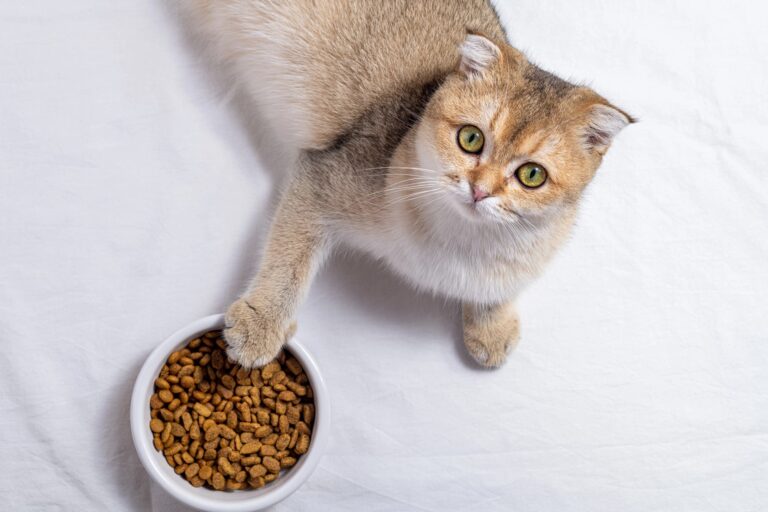
Dry food diets are typically high in carbohydrates and poorly suited to diabetic cats. The Animal Medical Center notes that indoor cats on dry food diets are at higher risk for diabetes — and switching to wet, low-carbohydrate food is part of both prevention and treatment.
The 2026 SGLT2 inhibitor update
The 2026 AAHA guidelines introduce a significant new treatment option: SGLT2 inhibitors (velagliflozin — sold as Senvelgo) are now an approved treatment for feline diabetes in some markets. These medications work by causing the kidneys to excrete glucose in the urine, reducing blood glucose independently of insulin. A 2026 case report published in the Journal of Feline Medicine and Surgery documented a cat achieving diabetic remission within 64 days on velagliflozin alone. This represents a meaningful expansion of treatment options for cats whose owners cannot manage twice-daily insulin injections.
The Hypoglycaemia Emergency — Critical for Cat Owners
Cornell Feline Health Center is explicit about the hypoglycaemia protocol every owner of a diabetic cat must know: if your cat shows signs of hypoglycaemia — lethargy, weakness, tremors, seizures, vomiting — apply honey, a glucose solution, or dextrose gel to the gums and immediately contact a veterinarian.
Signs of hypoglycaemia in cats: sudden weakness or collapse, loss of coordination, trembling, seizures, unresponsiveness. This is a medical emergency. Apply glucose to the gums immediately and get to the vet. Do not give the next insulin dose until the vet has reassessed blood glucose.
This post is part of our complete pet health library — visit our pet health guide for the full collection.
| 🚨 Hypoglycaemia action plan1. Apply honey or corn syrup to the inner gums with a finger. 2. Do not give food or water if the cat is seizing or unresponsive — aspiration risk. 3. Contact your vet immediately even if the cat improves. 4. Do not give the next insulin dose. Write this protocol down and keep it with the insulin. |
What Remission Looks Like and How to Track It
VCA Animal Hospitals describes diabetic remission as a cat maintaining normal glucose levels for more than four weeks without insulin injections or oral glucose-regulating medications. As cats approach remission, they will require progressively less insulin — and without dose reduction, they may develop hypoglycaemia.
This is why home glucose monitoring is particularly important in the first 3 to 6 months: as the cat’s pancreatic function recovers, the insulin dose that was correct at diagnosis becomes progressively too high. Regular glucose readings allow your vet to reduce the dose as remission approaches.
AAHA 2026 guidance confirms that cats with a history of DKA or peripheral neuropathy can still achieve remission — these complications do not preclude the possibility.
Frequently Asked Questions
| Q: What percentage of diabetic cats achieve remission?A: Reported rates vary between studies, but The Animal Medical Center cites that about half or more of diabetic cats will no longer need insulin injections within a few weeks to a few months after starting treatment with aggressive insulin and low-carbohydrate diet management. Early diagnosis and immediate aggressive treatment give the best odds. |
| Q: Can I prevent diabetes in my cat?A: Weight management is the most evidence-based preventive measure. Indoor cats that are overweight and fed primarily dry food are at significantly elevated risk. Keeping your cat at a healthy weight, encouraging activity, and feeding wet food reduces risk substantially. Cornell Feline Health Center notes that obese cats — particularly sedentary indoor cats — are at high risk for developing insulin resistance. |
| Q: My cat has achieved remission — can I stop monitoring?A: No. Cornell confirms that cats who achieved diabetic remission should continue to be fed a low-carbohydrate diet and receive close monitoring, as some will eventually require insulin therapy again. Periodic blood glucose monitoring and annual blood work identify recurrence early, when treatment can again potentially achieve remission. |


Frequently Asked Questions About Diabetes in Cats
What are the early warning signs of diabetes in cats? The classic early signs of diabetes in cats include increased thirst, frequent urination, unexplained weight loss despite a normal or increased appetite, and lethargy. Some owners notice their cat’s coat looks dull or unkempt, as grooming often declines when a cat is unwell. One distinctive sign of diabetes in cats is a plantigrade stance — where the cat walks flat on its hind legs rather than on its toes — caused by nerve damage from prolonged high blood sugar. Any combination of these symptoms warrants an immediate vet visit.
How is diabetes in cats diagnosed? Diagnosis of diabetes in cats involves blood and urine tests to measure glucose levels. A persistently elevated blood glucose combined with glucose in the urine confirms the diagnosis. Vets often use fructosamine levels (a measure of average glucose over 2–3 weeks) to distinguish true diabetes from stress hyperglycaemia, which is common in cats during vet visits. A full health screen is also recommended to rule out other conditions — hyperthyroidism, for instance, can mask or worsen diabetes in cats.
Can diabetes in cats go into remission? Yes — one of the most encouraging aspects of diabetes in cats is that remission is genuinely possible. Studies suggest that 25–40% of diabetic cats achieve remission when blood glucose is tightly controlled with insulin and a low-carbohydrate diet, particularly in the early stages of the disease. A high-protein, low-carb wet food diet reduces the pancreas’s workload and can significantly improve insulin sensitivity. Early, aggressive treatment gives cats the best chance of achieving remission from diabetes in cats and eventually coming off insulin entirely.
What is the best diet for a cat with diabetes in cats? The most important dietary change for a cat with diabetes in cats is switching to a high-protein, low-carbohydrate diet — ideally wet food rather than dry kibble. Dry cat food is typically high in carbohydrates, which cause blood sugar spikes. Wet food with a meat-based protein as the first ingredient and minimal grains or starches is ideal. Your vet may recommend a prescription diabetic diet. Consistent meal times are also critical, as insulin injections must be timed with feeding to prevent dangerous drops in blood sugar.
If you want to dig deeper, check out our guide on kidney disease in cats.
| Medical Disclaimer This article is written for informational purposes based on the research and personal experience of the author. It is not a substitute for professional veterinary advice, diagnosis, or treatment. Always consult your veterinarian with concerns about your pet’s health. |
This article is written for informational purposes and reflects the personal experience and research of the author. It does not replace professional veterinary or dog training advice. Always consult your veterinarian or a certified trainer for individual guidance.