

Knowing why is my cat not eating matters more urgently for cats than for any other common pet — and this is the critical piece of information that most guides either bury or miss entirely.
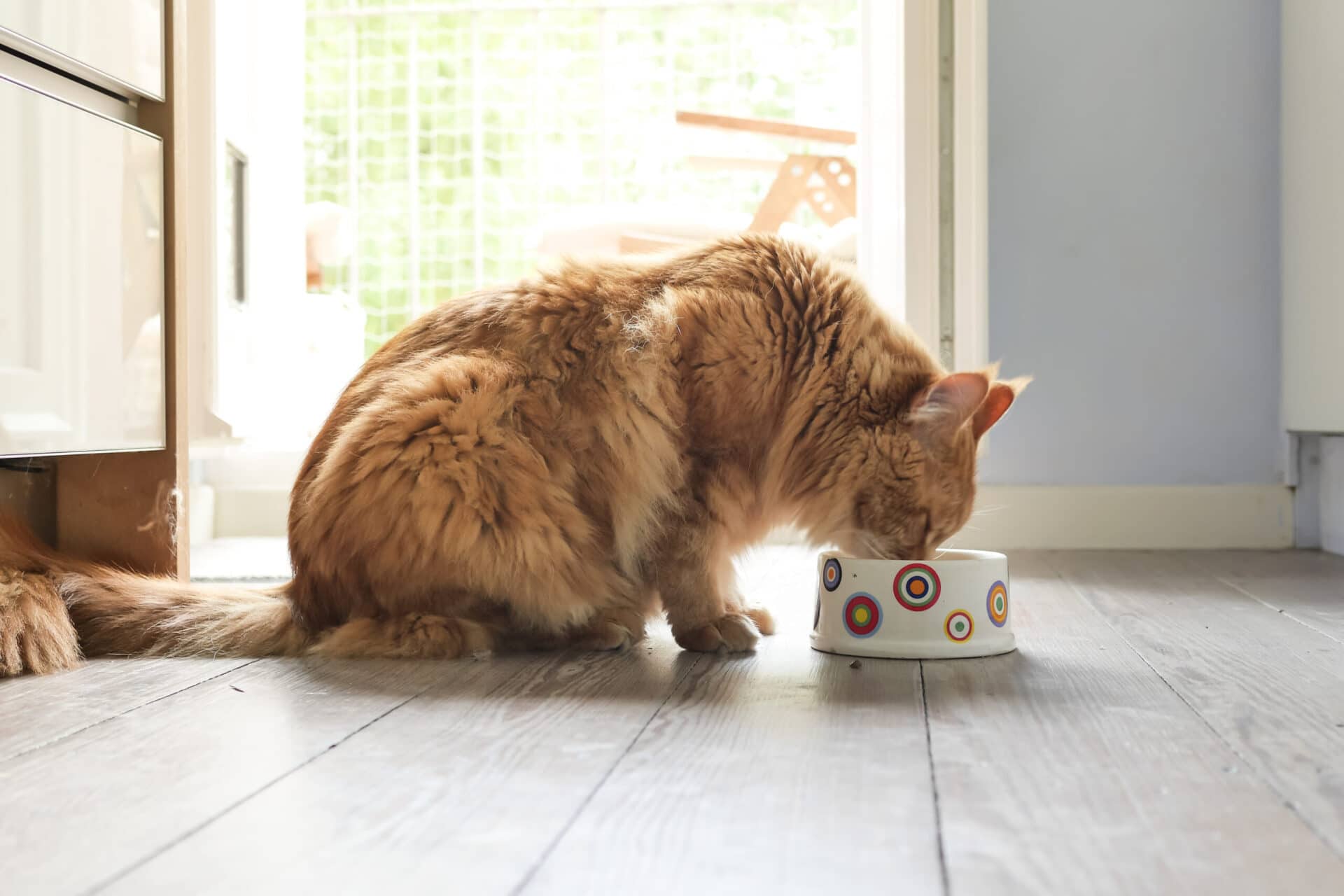
My cat once went off her food for about 18 hours after I changed her food brand. I was mildly concerned but not alarmed. She ate the following morning and was completely fine. What I did not know at the time — and what I want every cat owner reading this to understand from the start — is that cats have a unique metabolic vulnerability that makes food refusal significantly more dangerous for them than for dogs or most other pets.
That vulnerability is hepatic lipidosis. Understanding it changes how you respond to a cat that stops eating, and the timeline for when to act.
If you want to dig deeper, check out our guide on best cat food recommended by vets.
We also have a complete guide on why is my cat vomiting?.
The Critical Difference — Why Cat Appetite Loss Is More Urgent Than Dog Appetite Loss
GSVS Emergency veterinary hospital states this directly: a cat not eating for more than 24 hours requires veterinary attention, especially in overweight cats. Cats can develop a dangerous liver condition when they stop eating, which can progress quickly.
This condition is hepatic lipidosis — fatty liver disease. When a cat stops eating, their body mobilises fat reserves for energy. In cats, this process is inefficient: fat accumulates in the liver cells faster than it can be processed, causing liver dysfunction and ultimately liver failure if the anorexia continues. The condition can develop within 2 to 7 days of not eating and is life-threatening without veterinary treatment.
Overweight cats are at significantly higher risk because they have larger fat reserves to mobilise. But any cat that stops eating is potentially at risk.
This post is part of our complete pet health library — visit our pet health guide for the full collection.
| 🚨 The 24-hour rule for cats : Unlike dogs, who can safely skip food for 24 to 48 hours in many situations, cats should not go without food for more than 24 hours without veterinary evaluation. This is not excessive caution — it reflects the genuine hepatic lipidosis risk that makes feline appetite loss a different clinical situation from canine appetite loss. |
When to Go to the Emergency Vet Immediately
Petnation.care identifies clear emergency signals that mean immediate veterinary care rather than a scheduled appointment:
- Cat has not eaten for more than 24 to 48 hours
- Yellowing of the skin, whites of the eyes, or gums — jaundice is a sign of liver dysfunction
- Difficulty breathing or laboured breathing
- Inability to urinate — a urinary blockage is a life-threatening emergency in cats, particularly males
- Extreme lethargy — unable to lift head, unresponsive to touch
- Vomiting repeatedly alongside food refusal
- Kitten not eating even for one meal — kittens cannot maintain blood sugar safely through fasting
Common Causes: Why Is My Cat Not Eating?
Upper respiratory infection — the most common cause
PetMD identifies upper respiratory infections as one of the most common causes of appetite loss in cats. When a cat has a stuffy nose, they cannot smell their food — and cats rely heavily on smell to identify food as safe and appetising. A cat with a respiratory infection may be hungry but simply unable to identify the food as edible.
Signs: sneezing, runny nose, watery eyes, congestion. PetMD recommends relying more heavily on wet food with strong aromas, and warming canned food to intensify the smell when your cat has a respiratory infection.
Dental pain
Veterinary Emergency Group identifies dental disease as a moderate cause of appetite loss that many owners miss because cats typically act normally until it is time to eat. A cat with dental pain or tooth resorption may show interest in food, approach the bowl, then walk away after attempting to eat. Cats with dental disease may prefer wet food to dry food — a sudden preference change is worth noting.
Stress and environmental change
WebMD Pets notes that anxiety or depression can cause cats to stop eating. Losing a family member, a new pet, house moves, schedule changes, new furniture, or even rearranging the feeding area can trigger appetite loss in sensitive cats. Stress-related appetite loss typically resolves within a few days once the cat adjusts — but the 24-hour monitoring rule still applies.
Recent vaccination
WebMD Pets confirms that cats can experience appetite loss following routine vaccinations, typically lasting 24 to 48 hours. This is a known side effect and generally self-resolving. If appetite loss post-vaccination persists beyond 48 hours or is accompanied by more significant symptoms, contact your vet.
Digestive and systemic illness
Many serious conditions cause appetite loss as a primary symptom: kidney disease, pancreatitis, inflammatory bowel disease, cancer, diabetes, and systemic infections. The pattern to watch for is appetite loss accompanied by other symptoms or persisting beyond 24 hours — either of these warrants veterinary evaluation to rule out underlying conditions.
Food-related causes
Sudden food changes, stale or expired food, cold food (cats often refuse refrigerator-cold food), a dirty bowl, or the food bowl positioned too close to the litter box can all cause temporary food refusal. These are worth checking before assuming a medical cause — but they should resolve immediately once corrected. If food-related issues are corrected and refusal continues, assume a different cause.
How to Get a Cat Eating Again — Proven Approaches
These approaches are appropriate for cats who have been seen by a vet and where medical causes have been addressed or ruled out, or for brief (under 12 hour) appetite loss with no other symptoms:
- Warm the food to body temperature— slightly warm wet food to enhance its aroma. This is the single most effective non-medical intervention for appetite stimulation in cats. Use the microwave for a few seconds, stir, and test the temperature before serving.
- Try a different protein— cats can develop food aversions if they repeatedly eat the same protein while nauseous. A different meat flavour may bypass this association.
- Offer tuna in water— the strong smell of tuna in water (not brine or oil) acts as an appetite stimulant. Small amounts can trigger eating. Only use as a short-term stimulant, not a meal replacement.
- Hand feeding— gently offering small pieces of food by hand works for some cats who feel unwell. The proximity and security of the interaction sometimes overcomes reluctance.
- Reduce environmental stressors— ensure the feeding area is quiet, separate from the litter box, away from other pets, and consistent
- Ask your vet about mirtazapine— for cats with prolonged appetite loss, mirtazapine is a medication commonly used as an appetite stimulant in cats and is effective and well-tolerated. Do not attempt to obtain or dose this without veterinary guidance.
Frequently Asked Questions
| Q: How long can a cat go without eating?A: Significantly less safely than most people assume. Healthy adult cats begin to risk hepatic lipidosis within 2 to 7 days of not eating, with overweight cats at risk even sooner. The 24-hour rule is the appropriate trigger for veterinary contact — not because 24 hours is immediately dangerous, but because it allows early intervention before the hepatic lipidosis risk window opens. |
| Q: My cat is not eating but seems fine otherwise — should I be concerned?A: Yes — 24 hours without eating warrants veterinary contact even if your cat seems behaviorally normal. Cats are extraordinarily good at hiding signs of illness. Appearing fine to their owner while their body is under significant internal stress is a well-documented feature of feline behaviour. The 24-hour rule accounts for this. |
| Q: My cat stopped eating after I switched food brands — what should I do?A: Return to the previous food if you still have it. Cats do not adapt well to abrupt food changes and often refuse new food entirely rather than accept it gradually. Any food transition should happen over 7 to 10 days. If returning to the previous food does not restore appetite within 24 hours, contact your vet. |
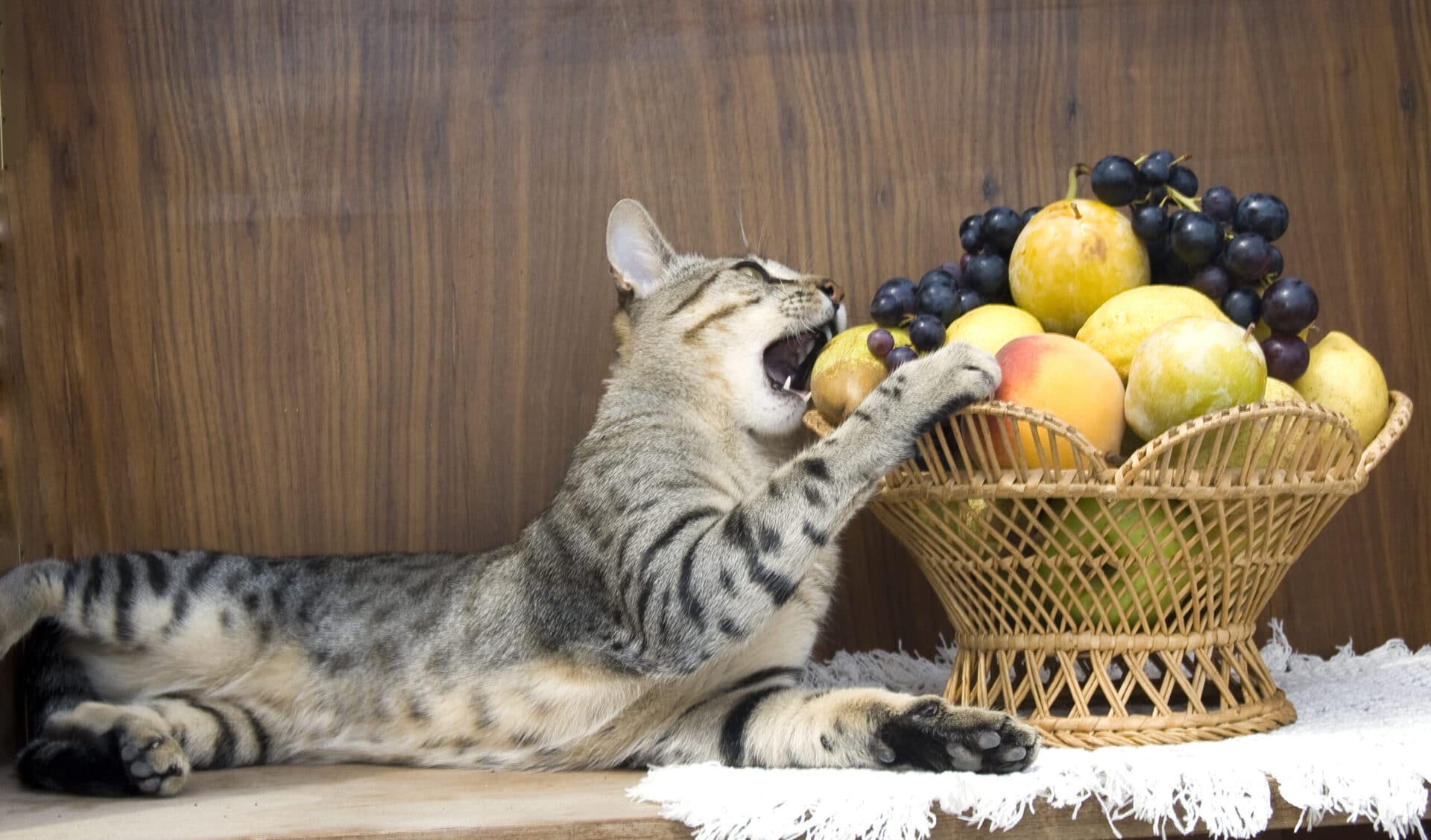
| Q: Can I give my cat human food to get them eating?A: Plain tuna in water (small amount), plain cooked chicken, or plain scrambled egg can be used short-term to stimulate appetite in a cat who has gone off their food. Never use food containing onion, garlic, dairy products, or anything seasoned. Human food should not replace a complete commercial diet for more than a day or two without veterinary guidance. |
Frequently Asked Questions: Why Is My Cat Not Eating?
Why is my cat not eating but still drinking water?
When a cat drinks but refuses food, the most likely culprits are nausea, upper respiratory infection, dental pain, or a digestive issue. If you’re asking “why is my cat not eating but still drinking,” watch closely for other signs like drooling, sneezing, pawing at the mouth, or lethargy. A cat that goes more than 24 to 48 hours without food risks hepatic lipidosis (fatty liver disease), which can be life-threatening — so prompt veterinary attention is important.
Why is my cat not eating their usual food after a change?
Cats are creatures of habit with highly sensitive noses, and even a minor change in food brand, flavour, or texture can lead to rejection. If you’ve recently switched foods and your cat is not eating, transition more gradually — mix a small amount of the new food with the old, increasing the proportion over ten to fourteen days. Warming wet food slightly to enhance its aroma can also encourage a reluctant eater.
Could stress explain why my cat is not eating?
Yes — stress is one of the most overlooked reasons why a cat is not eating. Changes such as a house move, a new pet, a new person in the home, or even rearranged furniture can trigger anxiety-related food refusal in cats. Providing a quiet, familiar feeding spot away from foot traffic and other pets can help. Feliway diffusers and consistent routines often help anxious cats return to normal eating patterns within a few days.
When should I see a vet about my cat not eating?
See a vet within 24 hours if your cat has not eaten at all for a full day and also shows other symptoms such as vomiting, hiding, weight loss, or a change in litter box habits. If your cat is not eating but otherwise seems well, you can monitor for up to 48 hours — but do not wait longer. Cats are at serious risk of hepatic lipidosis if they fast for extended periods, particularly overweight cats, making early intervention essential.
For more on this, see our guide on kidney disease in cats.
| Medical Disclaimer : This article is written for informational purposes based on the research and personal experience of the author. It is not a substitute for professional veterinary advice, diagnosis, or treatment. Always consult your veterinarian with concerns about your pet’s health. |
This article is written for informational purposes and reflects the personal experience and research of the author. It does not replace professional veterinary or dog training advice. Always consult your veterinarian or a certified trainer for individual guidance.