
7 min read |
Table of Contents
Finding the best dry cat food requires an honest conversation about what dry food does well and what it does not — because the marketing around best dry cat food options often overstates the benefits and underplays the limitations. I have fed both and watched the difference.
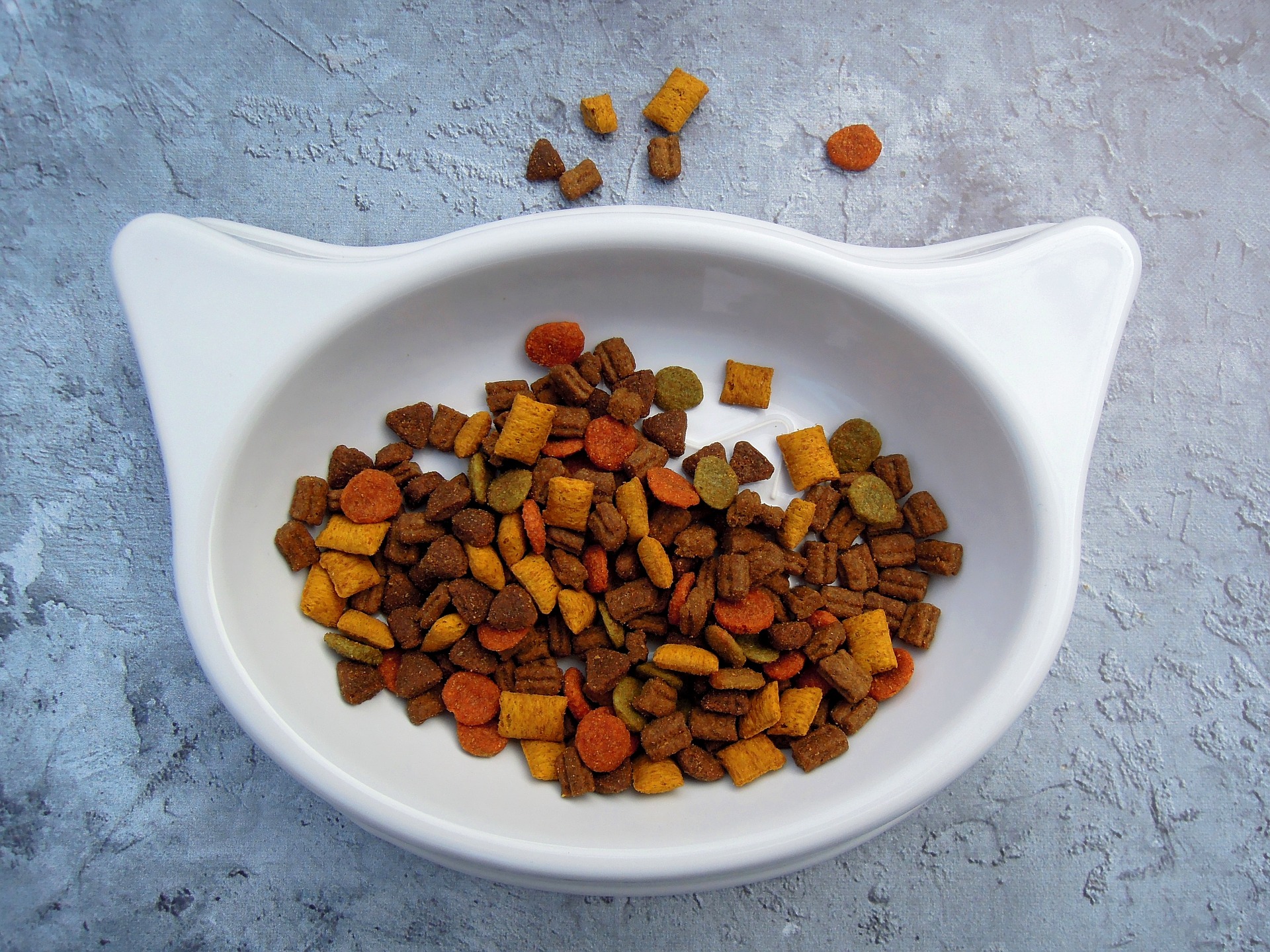
Dry cat food has real advantages: it is less expensive than wet food, easier to store, can be used in automatic feeders, and does not spoil in the bowl. For many owners, these practical benefits make dry food the pragmatic choice. The top brands from the vet-recommended manufacturers are nutritionally sound and produce healthy cats.
What dry food does not do: provide adequate hydration. This is the honest limitation that most dry food manufacturers do not foreground. PetMD is direct — dry cat food can be less expensive and is easily stored, but wet cat food contains more moisture, which helps cats who need more water. Understanding this shapes how you use dry food correctly.
For more on this, see our guide on best wet cat food.
You might also find our guide on best cat food recommended by vets helpful.
The Honest Hydration Gap
Dry cat food contains approximately 7% to 12% moisture. Wet cat food contains 70% to 85% moisture. A cat eating dry food as their sole diet relies entirely on their water bowl to meet hydration needs — and cats’ physiology does not reliably prompt them to drink enough water from a bowl to compensate.
The practical consequence over months and years: cats on exclusively dry diets have more concentrated urine, which increases the risk of urinary crystals, struvite formation, and kidney strain. This is not a rare edge case — urinary tract disease is one of the most common health problems in cats.
The solution is not necessarily abandoning dry food. Adding a cat water fountain (cats are more attracted to moving water), incorporating wet food as at least one meal daily, and choosing dry food from quality brands all help. But owners of cats on dry-only diets should do so with clear awareness of this limitation.
Choosing the best dry cat food means accepting this limitation and compensating for it — primarily through a water fountain and wet food at least once daily.
| 💡 The water fountain effect Cats are strongly attracted to moving water — a biological response from their wild ancestry. A recirculating cat water fountain significantly increases water intake in cats fed dry food compared to a static water bowl. If your cat is on a dry food diet, a water fountain is one of the highest-value purchases you can make for their long-term health. |
What the Dental Benefit of Dry Food Is Actually Worth
The dental benefit of dry cat food is frequently cited as a reason to choose kibble over wet food. The honest assessment: the evidence for this benefit is modest and largely overstated.
Most cats swallow small kibble pieces whole or crush them with minimal chewing, which means the mechanical cleaning effect on tooth surfaces is minimal. Specific dental formulas — including Hill’s Prescription Diet t/d and Royal Canin Dental Care — are genuinely different because they are designed with larger, fibrous kibble that physically scrapes the tooth surface. Standard dry food does not provide this effect meaningfully.
If dental health is a concern, a dental formula or regular dental cleaning is more effective than relying on standard dry food.
What to Look For When Choosing Dry Cat Food
These are the criteria that separate the best dry cat food from the hundreds of products claiming to be premium on the shelf.
- Named animal protein as the first ingredient — chicken, turkey, salmon, or other specifically identified meat
- AAFCO nutritional adequacy statement— must confirm complete and balanced nutrition for the appropriate life stage
- Feeding trials conducted— look for ‘animal feeding tests using AAFCO procedures’ on the packaging, indicating the food has been proven in feeding rather than just formulated on paper
- Manufactured by a company with veterinary nutritionists on staff and WSAVA compliance— the quality indicators that matter
- Appropriate caloric density for your cat’s activity level — indoor cats need lower-calorie formulas than outdoor or working cats
Top Vet-Recommended Dry Cat Food Brands
The brands below are what veterinary panels consistently identify as the best dry cat food options in 2026 — all conducting AAFCO feeding trials and employing board-certified veterinary nutritionists.
Hill’s Science Diet — the panel’s top dry pick
For most healthy indoor cats, Hill’s Science Diet Indoor is the best dry cat food for combining calorie management, hairball control, and the research backing that matters.
Chewy’s veterinary panel’s top dry cat food pick is Hill’s Science Diet Adult Indoor Chicken Recipe. Chewy veterinarian Dr Stephanie Howe describes Hill’s commitment to scientific research and the employment of veterinary nutritionists and scientists as what sets it apart. Their indoor formula is specifically designed for less active indoor cats with controlled calories and fibre for weight maintenance and hairball management.
Hill’s also produces dental, weight management, and age-specific formulas across the adult, senior, and kitten life stages, making it straightforward to select an appropriate formula as your cat’s needs change.
Purina Pro Plan — the research-backed choice
NBC Select named Purina Pro Plan its 2026 Pet Award winner in dry cat food. The Turkey and Vegetable Entree formula is high in protein, combined with a fibre blend for weight maintenance and four antioxidant sources for immune support. Purina’s research infrastructure and veterinary nutritionist team produce food that consistently meets the highest evidence-based quality standards.
Purina ONE is a more accessible price point within the Purina family that maintains sound nutritional credentials for cats without specific health needs.
Royal Canin — precision for specific needs
Royal Canin’s dry food formulations are particularly strong for breed-specific and size-specific requirements. Their indoor adult formula earned specific praise from Chewy’s veterinary panel for its suitability for less active cats. Royal Canin’s formula for large breed cats (Maine Coons, Norwegian Forest Cats) addresses their different skeletal support and dental needs.
When to upgrade to wet food or prescription diets
For most healthy adult cats, a quality dry food from the brands above provides nutritionally sound feeding. However, dry food alone is not ideal for cats with urinary tract disease, kidney disease, diabetes, or those that are significantly underweight or dehydrated. For these cats, wet food as the primary diet or a prescription therapeutic diet from the same brands is the appropriate move.
Frequently Asked Questions
These are the questions owners ask most frequently when searching for the best dry cat food for their cat.
| Q: Is grain-free dry cat food better?A: No — and this applies regardless of which best dry cat food you are considering. There is no evidence that grain-free diets provide health benefits for cats without specific grain allergies, which are rare. Some grain-free formulas replace grain with legumes including peas and lentils, which have been associated with an ongoing FDA investigation into DCM in dogs. While the concern is primarily canine, the association has led most veterinary nutritionists to recommend grain-inclusive foods from proven brands over grain-free alternatives. |
| Q: How much dry food should I feed my cat daily?A: This depends on the specific food’s caloric density and your cat’s weight, age, and activity level. Follow the feeding guide on the packaging as a starting point, then adjust based on body condition. Your cat should have a visible waist when viewed from above and you should be able to feel (but not prominently see) their ribs. If you are unsure, your vet can assess body condition and recommend a specific daily amount. |
| Q: My cat only eats dry food — what should I know?A: Increase water intake through a recirculating water fountain. Monitor closely for any urinary symptoms — frequent trips to the litter box, straining, blood in urine — as these are early signs of the urinary issues that dry-only feeding increases risk for. Consider introducing wet food for at least one meal daily to partially address the hydration gap. |
You may also want to read our guide on why is my cat peeing outside the litter box?.
Frequently Asked Questions About Best Dry Cat Food
What makes a dry cat food the best dry cat food? The best dry cat food prioritises high-quality animal protein as the first ingredient — ideally a named source like chicken, turkey, or salmon rather than generic “meat meal.” It should meet AAFCO nutritional standards for your cat’s life stage and have a low carbohydrate content, since cats are obligate carnivores with limited ability to process plant-based energy. Avoid the best dry cat food options loaded with artificial colours, flavours, or preservatives. Digestibility, calorie density, and ingredient transparency are all markers of a genuinely quality kibble.
Is the best dry cat food enough on its own? Many cats thrive on the best dry cat food alone, but it has one key limitation: moisture. Dry food contains only around 10% water, compared to 70–80% in wet food. Cats with low water intake are at higher risk of urinary tract issues and kidney disease. If feeding exclusively the best dry cat food, ensure your cat has constant access to fresh water — many cats prefer a running water fountain. Adding a small amount of wet food or a water topper alongside kibble is a simple way to boost hydration without completely changing your cat’s diet.
How do I switch my cat to a new best dry cat food? Always transition gradually when switching to a new best dry cat food. Start by mixing 25% new food with 75% old food for 2–3 days, then move to a 50/50 mix, then 75% new, then 100% new over a total of 7–10 days. Rushing the transition can cause digestive upset, including vomiting and diarrhoea. If your cat refuses the new kibble, try warming it slightly or mixing in a small amount of a food topper they enjoy. Patience is key — some cats are highly food-motivated by smell, and the best dry cat food brands often formulate for palatability as well as nutrition.
How much best dry cat food should I feed my cat? The right amount of the best dry cat food varies by your cat’s weight, age, and activity level. Most adult cats need around 200–250 calories per day, and calorie density varies significantly between brands — always check the feeding guidelines on the bag as your primary guide. A typical indoor adult cat weighing 4–5kg may need around 50–70g of a standard best dry cat food per day, split into two meals. Overfeeding is a common problem with kibble, so using a measuring cup rather than free-feeding helps prevent obesity.
The best dry cat food for your cat is ultimately the one from a vet-trusted brand that matches their life stage, activity level, and any health considerations — paired with a water fountain and ideally some wet food daily to address the hydration gap dry food cannot cover.
| Disclaimer This article reflects the personal experience and research of the author and is for informational purposes only. Always consult your veterinarian before making significant changes to your pet’s diet, particularly if they have an existing health condition. |
For a complete overview of cat nutrition and feeding, visit our complete cat nutrition guide.
This article is written for informational purposes and reflects the personal experience and research of the author. It does not replace professional veterinary or dog training advice. Always consult your veterinarian or a certified trainer for individual guidance.