



Table of Contents
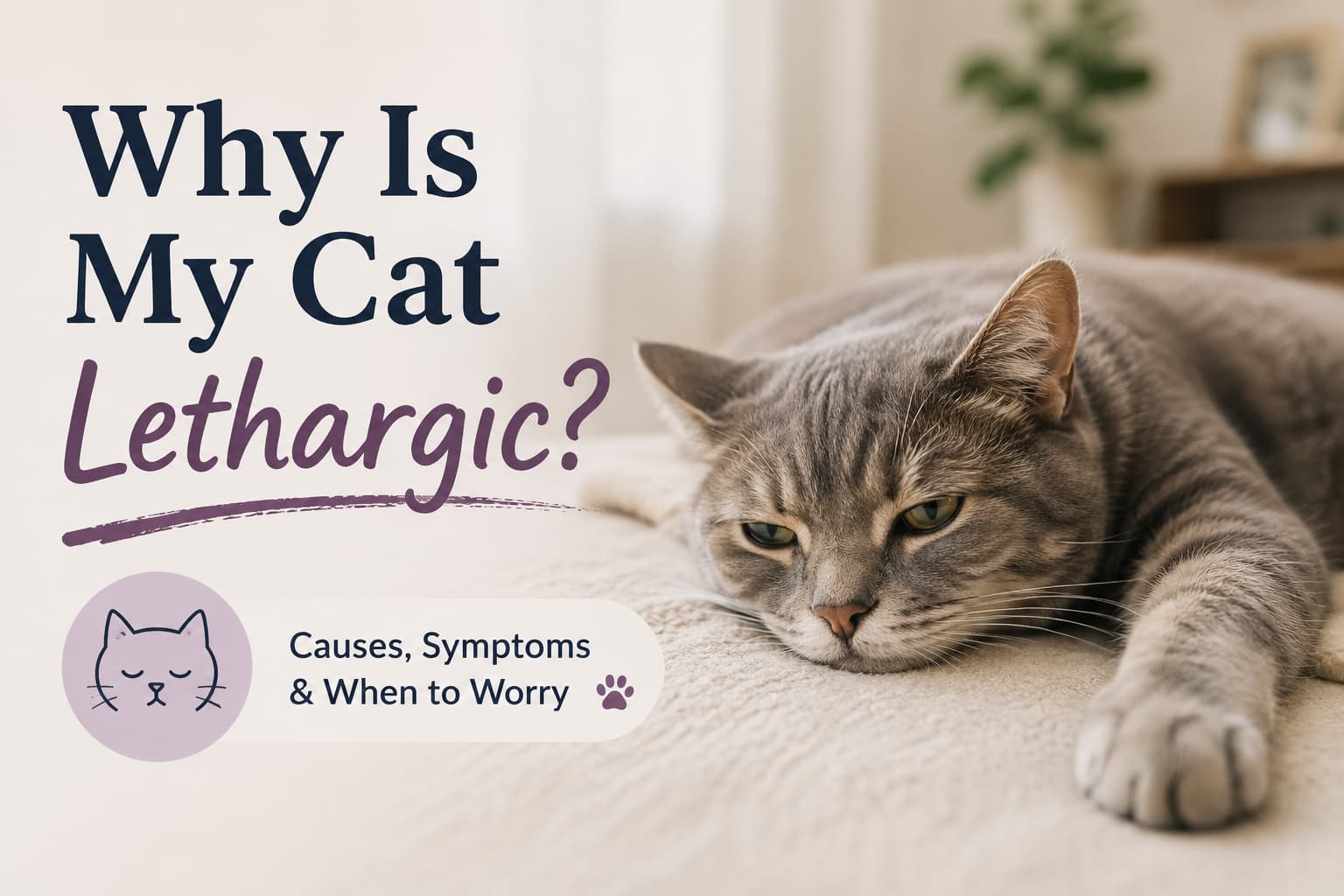
Figuring out why is my cat lethargic is uniquely challenging compared to dogs, and not because the causes are more complex. It is because cats sleep for 12 to 16 hours daily under completely normal circumstances. Against that baseline, spotting genuine lethargy requires knowing what to look for beyond simply how long your cat is sleeping.
PetsRadar veterinarian Emma Chandley BVetMed, writing from 14 years of clinical experience, frames this beautifully: cats are masters at hiding illness, so subtle changes in their behaviour or activity levels can be important clues. The key to helping your cat is recognising what is normal for them and spotting changes early.
I have had this experience with my own cats. The one time that stands out was a gradual, barely perceptible reduction in activity over about two weeks that I initially dismissed as ‘just sleeping more.’ The vet found early kidney disease. Caught early, it was manageable. The lesson: subtle is not the same as minor.
For more on this, see our guide on why is my cat not eating?.
You might also find our guide on why is my cat vomiting? helpful.
Normal Cat Rest vs True Lethargy — How to Actually Tell the Difference
This is the section every cat lethargy guide needs to address first and most fail to. Sleep duration alone is not the diagnostic tool — cats sleep a lot by design.
PetMD identifies the correct distinction: it is not the amount of sleep that signals lethargy but the cat’s overall responsiveness and interest in their environment during the hours when they would usually be active. The question to ask is not ‘is my cat sleeping a lot’ but ‘when my cat is awake, are they engaging normally with their world?’
A resting cat that perks up when you enter the room, shows interest in food preparation sounds, responds to their name, or shows normal curiosity when something unusual happens is probably tired rather than lethargic. A cat that does not react when you enter, shows no interest in food, does not respond to their name, or seems disconnected from their environment during waking hours — that is lethargy.
Vetic’s lethargy guide adds a practical checklist: a lethargic cat may sleep far more than usual while avoiding activities they once enjoyed, spend less time grooming, show reduced interest in food or play, and seem generally weak or slow to react.
Emergency Signs That Need Immediate Veterinary Care
Animal Emergency Center of Tulsa provides a clear list of signs that make a lethargic cat an emergency rather than a monitoring situation:
- Yellowing of the skin, whites of the eyes, or gums — jaundice indicates liver dysfunction
- Difficulty breathing or laboured breathing at rest
- Inability to urinate or straining in the litter box without producing urine — life-threatening blockage, particularly in male cats
- Extreme weakness — cannot stand or lift head
- Lethargy combined with complete food and water refusal for more than 24 hours — hepatic lipidosis risk
- Sudden onset in a previously active cat with no obvious explanation
- Kitten with any significant lethargy — kittens have less physiological reserve and deteriorate faster
This post is part of our complete pet health library — visit our pet health guide for the full collection.
| 🚨 Straining in the litter box is an emergency A male cat that is lethargic and straining to urinate without producing urine has a urinary blockage — one of the most time-sensitive emergencies in feline medicine. Without treatment within hours, this is fatal. Do not monitor. Go to the emergency vet immediately. |
Common Causes: Why Is My Cat Lethargic?
Infection — viral and bacterial
Upper respiratory infections, urinary tract infections, and systemic bacterial infections all cause lethargy in cats. Vetic notes that infections often present alongside other symptoms including fever, sneezing, runny eyes, or reduced appetite. A cat with an upper respiratory infection may be too congested to smell their food, causing secondary appetite loss alongside the lethargy.
Pain
PetMD identifies pain as a cause of lethargy that is frequently missed in cats — because cats hide pain even more effectively than dogs. A cat with dental pain, joint pain, abdominal pain, or spinal discomfort may simply become quieter, less mobile, and less interactive. The Animal Emergency Center of Tulsa notes that litter box habits provide insight — a cat producing significantly less waste while showing lethargy may have pain-related reduced mobility or an underlying condition.
Serious systemic illness
PetMD notes that lethargy is a very non-specific clinical sign seen with almost every health problem a cat could develop. The systemic conditions most commonly associated with lethargy in cats include kidney disease, hyperthyroidism, heart disease, diabetes, anaemia, and cancer. The pattern to watch for: lethargy that is gradual, progressive, and accompanied by other changes — weight loss, increased or decreased thirst, changes in coat quality, behavioural changes.
Stress and emotional causes
Yahoo Health’s veterinary article by Emma Chandley includes stress and emotional changes as causes: cats can withdraw and rest more when anxious or depressed. Environmental changes — a new pet, a house move, the loss of a companion — can cause genuine depression-like lethargy in cats. This typically resolves as the cat adjusts, but lethargy from emotional causes that persists beyond 2 weeks warrants veterinary discussion.
Post-vaccination lethargy
Lethargy in the 24 to 48 hours following vaccination is a common and expected side effect. Vetic notes that a lethargic kitten may appear tired after vaccinations or rapid growth phases, but energy should return quickly. If vaccine-related lethargy persists beyond 48 hours or is accompanied by significant symptoms, contact your vet.
Toxin ingestion
Emma Chandley’s veterinary article identifies toxin ingestion as a cause of sudden-onset lethargy. Common cat toxins include: lilies (highly toxic to cats, causing kidney failure — even small amounts), antifreeze (ethylene glycol), rodenticide, certain essential oils, and many common houseplants. Sudden dramatic lethargy with no other explanation warrants immediate emergency veterinary care and mention of any possible toxin exposure.
When to Call the Vet — The Decision Framework
Monitor at home: lethargy with a clear explanation (post-vaccination, post-travel, mild respiratory symptoms resolving), your cat still responds to their environment when awake, still eating.
Call your vet today: lethargy without a clear explanation that has lasted more than 24 hours, not eating alongside lethargy, any other symptom present.
Emergency vet immediately: any emergency sign from the section above, suspected toxic ingestion, sudden onset with no explanation.
Frequently Asked Questions
| Q: My cat is lethargic but eating normally — how concerned should I be?A: Eating normally is reassuring but does not rule out illness. PetMD notes that lethargic cats not eating or drinking normally alongside lethargy represent a more serious concern, but a cat that is eating while lethargic still warrants monitoring. If lethargy persists beyond 24 to 48 hours even with normal eating, contact your vet. |
| Q: My elderly cat has become gradually less active over several months — is this ageing?A: It may partly be ageing, but gradual progressive lethargy in an older cat is frequently a sign of treatable underlying condition — arthritis, kidney disease, hyperthyroidism, dental pain, or anaemia. A senior wellness blood panel at your vet identifies many of these conditions early when intervention is most effective. Do not accept gradual decline in an older cat without investigation. |
| Q: My kitten is lethargic after playing — is this normal?A: Brief rest after vigorous play is completely normal in kittens. Young kittens have intense bursts of energy followed by deep sleep. What is not normal: lethargy that persists through multiple hours including periods when the kitten would usually be active, lethargy accompanied by reduced appetite, or any of the emergency signs above. When in doubt with a kitten, contact your vet — young animals have less reserve. |

Frequently Asked Questions: Why Is My Cat Lethargic?
Why is my cat lethargic but still eating?
A cat that is lethargic but still eating may be dealing with a mild illness, early-stage infection, or environmental stress. While maintaining appetite is a positive sign, it doesn’t mean all is well — many conditions, including hyperthyroidism, early kidney disease, and anaemia, present with fatigue before affecting food intake. If your cat is lethargic for more than 24 to 48 hours even while eating normally, a vet check is the right step to identify the underlying cause.
Why is my cat lethargic after being spayed or neutered?
It is completely normal for a cat to be lethargic for 24 to 48 hours after a spay or neuter procedure. The combination of general anaesthesia, surgical recovery, and pain management medication causes temporary fatigue. Most cats return to normal activity levels within two to three days. Contact your vet if your cat remains lethargic beyond 48 hours post-surgery, refuses food, or shows signs of pain, swelling, or discharge at the incision site.
Can a change in routine make my cat lethargic?
Yes — cats are highly sensitive to routine changes, and disruptions such as moving house, a new pet, a new baby, or even rearranged furniture can trigger stress-related lethargy. A cat that is lethargic following a significant life change is often experiencing anxiety rather than physical illness. Maintaining consistent feeding times, providing safe hiding spots, and using calming products like Feliway can help. If the lethargy persists beyond a week or worsens, consult your vet.
When is a lethargic cat an emergency?
Seek emergency veterinary care immediately if your cat is lethargic AND showing any of the following: open-mouth breathing or panting, pale or yellow-tinged gums, inability to stand or move, cold extremities, or sudden collapse. A cat that is severely and suddenly lethargic — particularly one that cannot be roused or responds very slowly — may be in shock, experiencing organ failure, or suffering from urinary blockage (especially in male cats). These are life-threatening situations that require urgent attention.
You may also want to read our guide on kidney disease in cats.
| Medical Disclaimer : This article is written for informational purposes based on the research and personal experience of the author. It does not replace professional veterinary advice, diagnosis, or treatment. Always consult your veterinarian with concerns about your pet’s health — especially with YMYL health symptoms described here. |
This article is written for informational purposes and reflects the personal experience and research of the author. It does not replace professional veterinary or dog training advice. Always consult your veterinarian or a certified trainer for individual guidance.