

Table of Contents
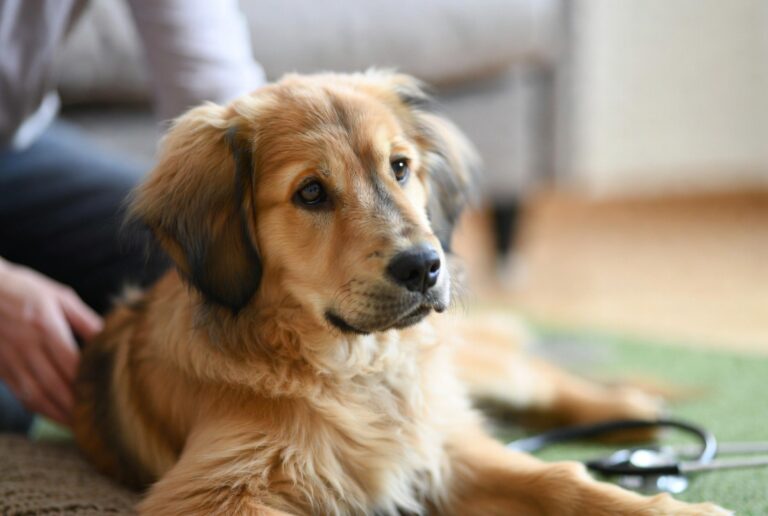
Wondering why is my dog not eating is one of the more anxious questions a dog owner can face. Dogs are typically enthusiastic eaters — a dog that turns away from food is a dog sending a signal. The question is whether that signal means something mild and temporary or something that needs attention now.
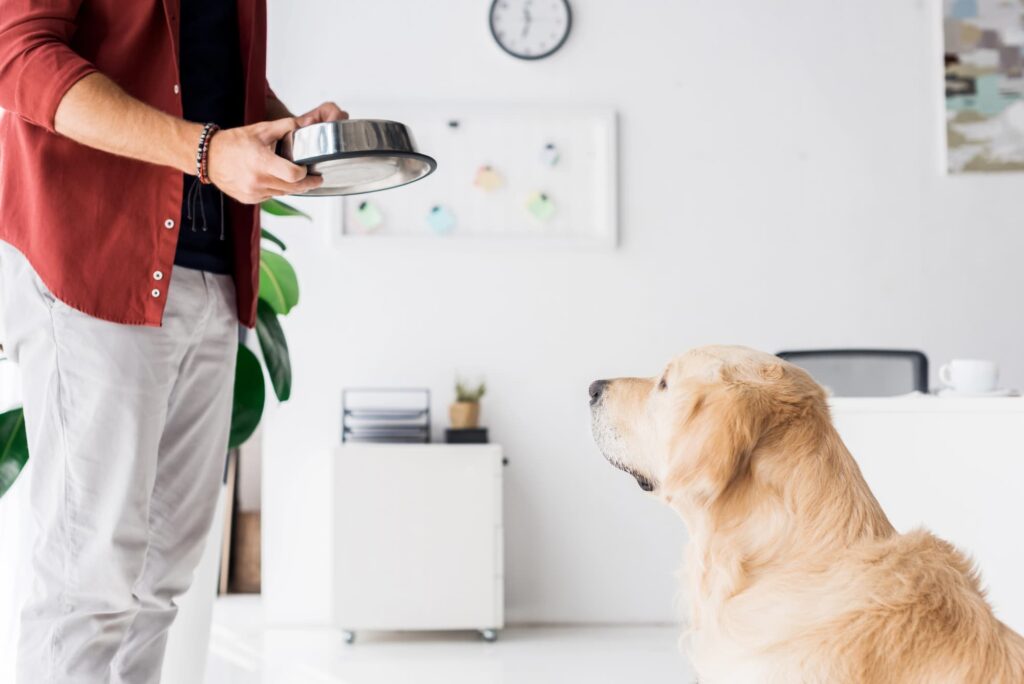
My Labrador, in eleven years, refused food exactly twice. The first time was a mild stomach upset that resolved in 24 hours. The second time was the beginning of a serious illness that needed immediate veterinary attention. They looked identical from the outside — a dog standing at an empty bowl, uninterested.
The difference between the two situations came down to what else was happening. Other symptoms. Duration. The dog’s demeanour. This guide covers the 9 most common reasons a dog stops eating, the specific timeline framework for deciding when to wait vs when to call, and practical tips for getting a dog eating again when the reason is behavioural rather than medical.
You may also want to read our guide on bland diet for dogs with diarrhea.
Related: our guide on signs a dog is in pain covers this in more depth.
The Timeline Framework — When to Wait vs When to Call
This is the most important section in this guide and the one most guides handle poorly. PetMD veterinarian Dr Rhiannon Koehler provides the clearest framework:
- Adult dog skips one meal— monitor. Do not panic. Healthy adult dogs can go 3 to 5 days without food without serious medical consequences, though this is not desirable.
- Adult dog skips two consecutive meals (24 hours)— begin trying the home approaches below. Watch for any other symptoms.
- Adult dog has not eaten for 48 hours— call your veterinarian regardless of other symptoms. Going without food longer than 3 days can lead to damaging effects to the gastrointestinal tract and organs.
- Puppy under 6 months skips even one meal— contact your vet. Puppies cannot maintain blood sugar safely through extended fasting and can develop hypoglycemia within hours. This is the most critical distinction between dogs and puppies.
- Any dog showing additional symptoms— vomiting, diarrhea, lethargy, abdominal bloating, pain, blood in stool, or difficulty breathing alongside food refusal — treat as more urgent and call your vet within 8 to 12 hours.
This post is part of our complete pet health library — visit our pet health guide for the full collection.
| 🚨 Emergency signs alongside not eating: Straining to urinate or no urination, swollen or hard abdomen, collapse, extreme lethargy, or blood in vomit or stool alongside food refusal are emergency veterinary situations. Do not wait. |
9 Reasons Your Dog Is Not Eating
1. Illness or pain
WebMD Pets is direct: a decreased appetite in dogs is often a sign of sickness. Loss of appetite is one of the most non-specific but reliable signals that something is wrong. Conditions that commonly cause appetite loss include: gastrointestinal disease (the most common), dental pain, respiratory infection, kidney disease, liver disease, pancreatitis, cancer, and systemic infections.
The important signal: if your dog’s loss of appetite is accompanied by any other symptoms at all — lethargy, vomiting, diarrhea, behaviour change — illness becomes the working assumption and veterinary evaluation the appropriate response.
2. Dental pain
GoodRx’s veterinary team identifies this as a consistently underestimated cause: your dog may not want to eat because they have a toothache, abscess, or oral injury that makes chewing painful. Signs include dropping food, preferring soft food to hard kibble, pawing at the mouth, drooling, or reluctance to let you near the face. A dog with dental pain will often show interest in food but then walk away after attempting to eat — one of the more specific patterns to watch for.
3. Stress or environmental change
Dogs are highly sensitive to changes in their environment. Plentum’s 2026 guide confirms: moving to a new home, a new family member, a new pet, travel, loud events like fireworks, or significant schedule changes can all suppress appetite. Stress-related appetite loss typically resolves within a few days once the dog adjusts, and the dog otherwise behaves normally. The key diagnostic question: has anything changed recently?
4. Pickiness or learned food refusal
This is a common cause that owners often either dismiss or over-diagnose. The 2026 guide from Helpbyexperts explains the mechanism clearly: some dogs learn that if they refuse their regular food, they get something better. This is especially common in dogs that receive a lot of table scraps or treats.
The fix: offer the regular food for 15 minutes, then remove it. Offer nothing else until the next mealtime. A truly healthy, hungry dog will eat their food within 1 to 2 meals when they realise nothing better is coming. If they go beyond 48 hours without eating, the cause is not pickiness.
Important: do not add progressively more interesting things to the bowl to encourage eating. This trains the dog to hold out for better offers and makes the problem worse over time.
5. Recent vaccination
WebMD Pets notes that vaccines can cause side effects including appetite loss in some dogs, typically in the 24 to 48 hours following vaccination. This is generally mild and self-resolving. If appetite loss after vaccination persists beyond 48 hours or is accompanied by more significant symptoms, contact your vet.
6. Medication side effects
Many medications, including antibiotics, pain medications, and certain supplements, can cause nausea or appetite suppression. If your dog’s appetite loss began when a new medication was introduced, this is the likely cause. Do not discontinue medication without veterinary guidance — but do mention it to your vet, who may be able to adjust timing, dose, or medication type.
7. Change in food
Switching foods abruptly is a common and easily overlooked cause. Dogs’ digestive systems adjust to specific ingredient profiles, and an abrupt change can cause nausea, gastrointestinal upset, and food refusal. Any food transition should happen gradually over 7 to 10 days. If a recent food switch coincides with appetite loss, return to the previous food and transition more slowly.
8. Old age
PetMD veterinarian Dr Koehler notes that healthy senior dogs have lower calorie requirements than younger dogs, so some decrease in appetite is normal as dogs age. However, age is not a reason for a dog to become truly anorexic. A significant change in a senior dog’s appetite — particularly if accompanied by weight loss, lethargy, or any other symptom — warrants veterinary investigation. Kidney disease, dental disease, and cancer are more common in older dogs and all cause appetite changes.
9. Gastrointestinal obstruction
A dog that has swallowed a foreign object — a toy, a piece of clothing, a bone fragment — may show appetite loss alongside abdominal pain, repeated unproductive retching, and progressive lethargy. This is a surgical emergency. If your dog is not eating and has been playing with or chewing something that has since disappeared, obstruction needs to be ruled out immediately.
Practical Ways to Encourage a Dog to Eat
These approaches are appropriate once illness has been ruled out or your vet has confirmed the cause is behavioural or minor:
- Warm the food slightly— warming enhances the aroma and often makes food more appealing, particularly for dogs with reduced appetite from mild nausea or aging
- Add a small amount of low-sodium bone broth— poured over dry food as a topper, this dramatically improves palatability for many dogs
- Switch from dry to wet temporarily— wet food has a stronger smell and is often more appealing to a dog who is not feeling their best
- Feed smaller amounts more frequently— instead of two meals, try three or four smaller ones. This reduces nausea risk and often produces better results in dogs with upset stomachs
- Change feeding location— some dogs are sensitive to where they eat. Moving the bowl to a quieter spot away from household activity can help stress-related appetite loss
Frequently Asked Questions
| Q: How long can a dog go without eating?A: A healthy adult dog can go 3 to 5 days without food without serious medical consequences, though this is not desirable and warrants veterinary contact at 48 hours. Puppies under 6 months can develop dangerous hypoglycemia within 24 hours of not eating. Small breeds, senior dogs, and dogs with existing health conditions are also more vulnerable and warrant earlier veterinary attention. |
| Q: My dog is not eating but is drinking water — should I be worried?A: Drinking normally while refusing food is a relatively reassuring sign that the dog is not severely ill. It suggests the refusal may be behavioural, a mild stomach upset, or related to the food itself rather than serious systemic illness. Monitor carefully and apply the timeline framework above. If food refusal persists beyond 48 hours even with normal water intake, see your vet. |
| Q: Can I give my dog human food to get them eating again?A: Short-term use of plain cooked chicken, plain boiled rice, or plain scrambled egg is generally safe for a dog with appetite loss from minor stomach upset. These are also the components of a bland diet that is appropriate for digestive recovery. Avoid spiced, salted, or fatty human foods, and avoid feeding human food as a long-term substitute for a complete commercial diet. |
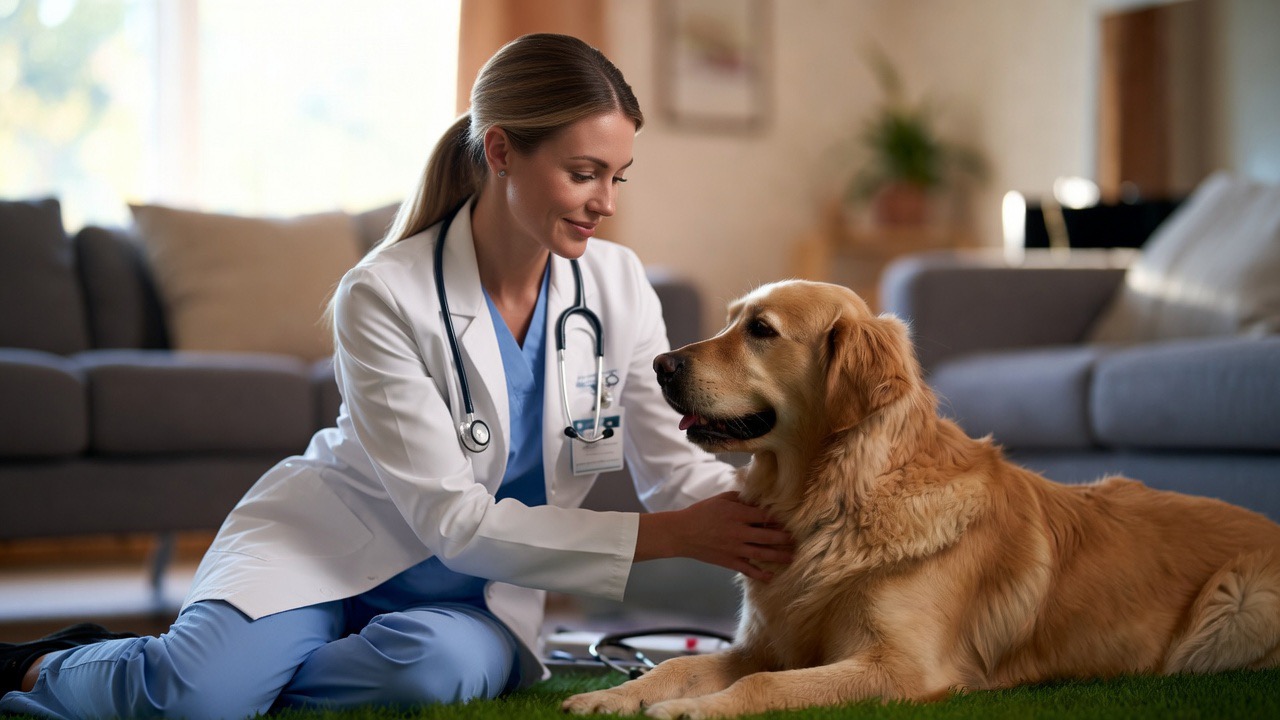
Frequently Asked Questions: Why Is My Dog Not Eating?
Why is my dog not eating but still drinking water?
When a dog drinks water but refuses food, it often indicates a gastrointestinal issue, dental pain, or nausea rather than a serious systemic illness. If you’re wondering “why is my dog not eating but still drinking,” monitor for other symptoms such as vomiting, lethargy, or a swollen abdomen. A dog that skips one or two meals but remains active and hydrated may simply be dealing with a temporary upset stomach. If the appetite loss persists beyond 48 hours, consult your vet.
Why is my dog not eating their food but will eat treats?
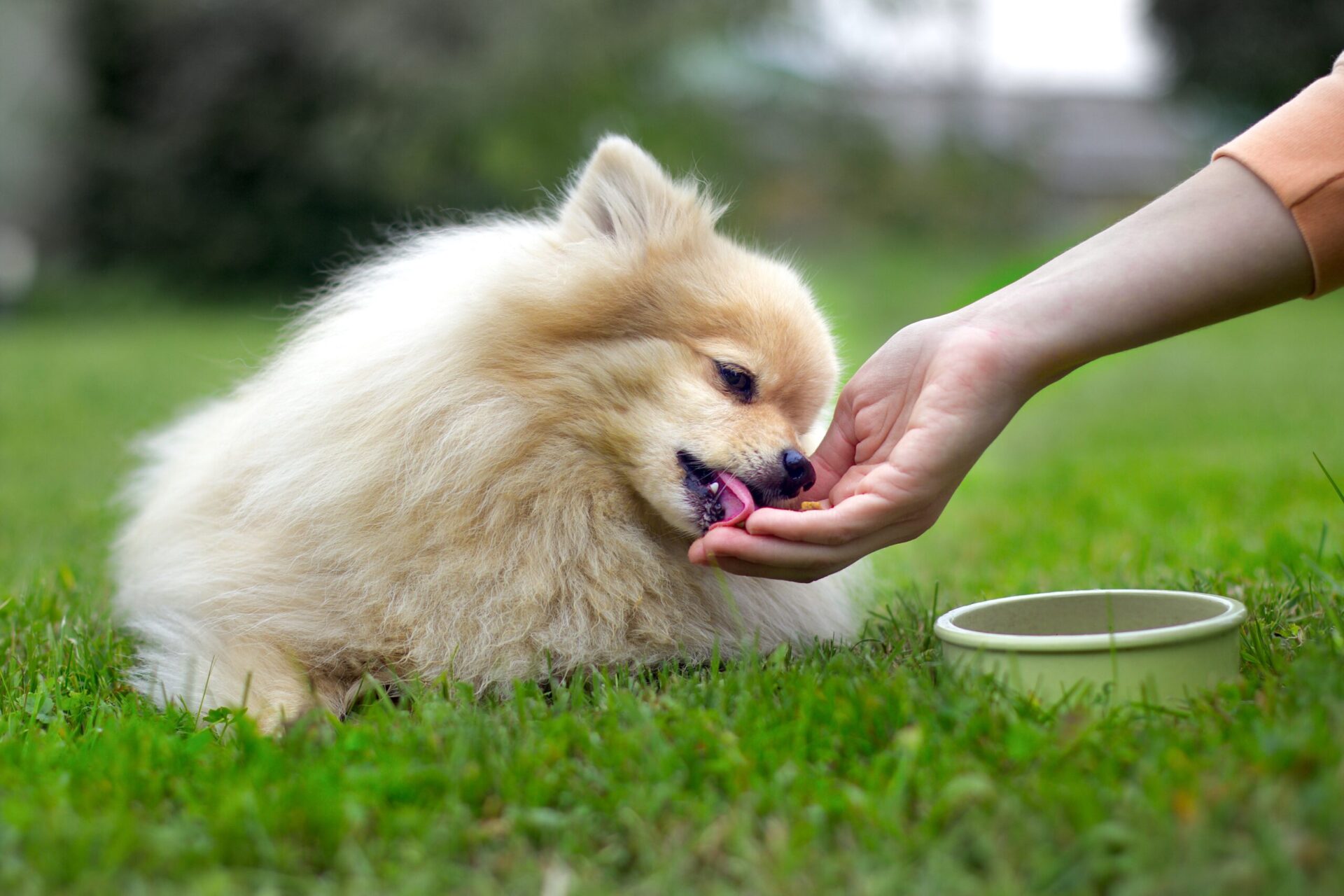
This is one of the most common variations of “why is my dog not eating.” Dogs are opportunistic eaters and quickly learn that holding out can result in tastier options. Treats are typically high in fat and flavour, so a dog may refuse regular food while eagerly accepting snacks. Avoid rewarding the behaviour by offering treats as a substitute — this reinforces the pickiness. Stick to regular meal times and remove uneaten food after 20 to 30 minutes.
How long can a dog safely go without eating?
Most healthy adult dogs can go three to five days without eating before it becomes a medical concern, provided they are still drinking water. However, if you’re asking “why is my dog not eating” and the absence of appetite coincides with lethargy, vomiting, or diarrhoea, don’t wait — seek veterinary advice within 24 hours. Puppies, senior dogs, and small breeds are less resilient and should be assessed sooner if they miss more than one or two meals.
Could stress or anxiety explain why my dog is not eating?
Yes — stress is a very common reason why a dog is not eating. Changes such as moving house, a new baby, a new pet, or a change in routine can temporarily suppress appetite. Dogs are creatures of habit and even small disruptions can cause brief food refusal. Providing a calm, quiet feeding environment and maintaining consistent meal times usually resolves this within a few days. If anxiety seems persistent, speak to your vet about behavioural support options.
If you want to dig deeper, check out our guide on why is my dog vomiting?.
| Medical Disclaimer :This article is written for informational purposes based on the research and personal experience of the author. It is not a substitute for professional veterinary advice, diagnosis, or treatment. Always consult your veterinarian with concerns about your pet’s health. |
This article is written for informational purposes and reflects the personal experience and research of the author. It does not replace professional veterinary or dog training advice. Always consult your veterinarian or a certified trainer for individual guidance.