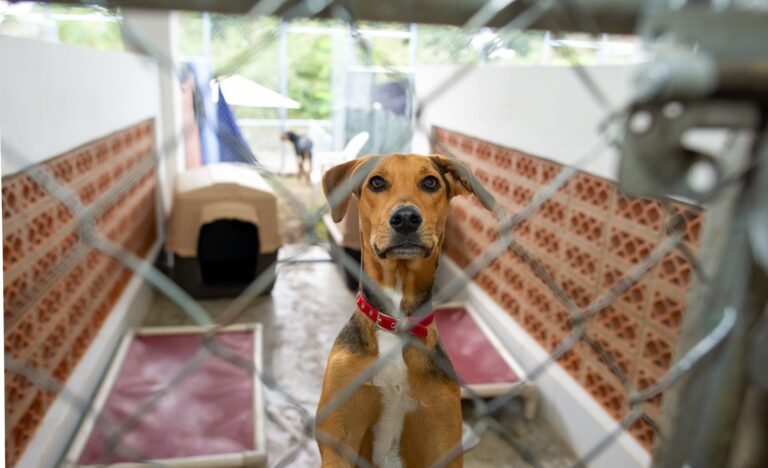
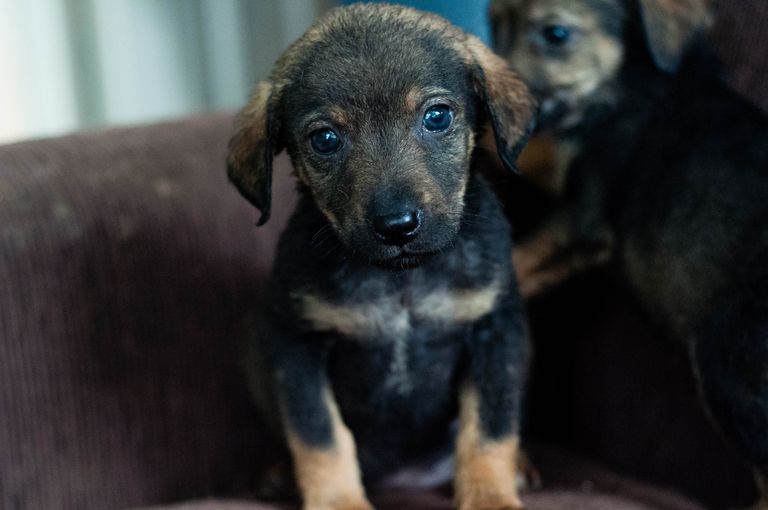
Rescue Dog Won’t Eat in the First Few Days: What’s Normal and When to Worry

A rescue dog won’t eat in the first few days is one of the most anxiety-inducing experiences of bringing home a newly adopted dog — and also one of the most common. Watching a full bowl sit untouched while you worry you have made some terrible mistake is a near-universal rescue dog experience, and in most cases, it is far less alarming than it feels in the moment.
My own experience with this was a Beagle mix who did not touch a single meal for two full days after we brought her home. I called the rescue in a mild panic on day two. The response was calm and, looking back, exactly right: keep offering food, keep water available, and call again if it goes much beyond day three. She ate on the morning of day three like nothing had happened. The stress had simply needed to pass.
This guide covers what is genuinely normal when a rescue dog won’t eat in the first few days, the practical things that actually help encourage eating, and the specific signs that mean it is time to involve your vet rather than wait it out. If your dog is showing other signs of stress alongside the food refusal, our 3-3-3 rule for rescue dogs guide covers the full decompression timeline this fits into.
Why This Happens — It Is Almost Always Stress, Not Illness
When a rescue dog won’t eat in the first few days, it is almost always because a dog’s eating behaviour is closely tied to their stress levels. In an unfamiliar environment, with unfamiliar smells, sounds, and people, a dog’s nervous system prioritises vigilance over digestion — this is a real physiological response, not stubbornness.
Refusing food is often less about appetite and more about a dog trying to exert some control over an overwhelming situation. This is a normal part of the adjustment period covered in the 3-3-3 decompression timeline, not typically a sign that something is medically wrong.
It is normal for a rescue dog to eat very little — or nothing at all — for the first day or two. Some dogs go even longer, particularly if they came from a high-stress shelter environment, had a long transport journey, or underwent medical procedures shortly before adoption. If food refusal is your main concern right now, our broader guide to why dogs stop eating covers causes beyond the rescue adjustment period too, in case it’s useful down the line.
Practical Ways to Encourage Eating
- Keep their previous food for the first week — if you were sent home with the food your dog was eating at the shelter, stick with it initially. A sudden food change adds one more unfamiliar element to an already overwhelmed system.
- Try hand-feeding small amounts — offering food directly from your hand, particularly near their safe space, can feel less exposing than approaching an open bowl in unfamiliar territory.
- Add a warm, appealing topper — a small amount of warmed low-sodium chicken broth or a wet food topper makes food more aromatically appealing, which matters more to dogs than we tend to assume.
- Offer food in a quiet, low-traffic location — a dog that feels exposed or watched while eating may simply refuse to engage with food at all.
- Try smaller, more frequent portions — some dogs that won’t eat a full meal will pick at several small offerings throughout the day.
- Reduce pressure around the food itself — hovering, repeatedly trying to coax, or showing visible anxiety about the untouched bowl can make some dogs more reluctant, not less.
When a Rescue Dog Won’t Eat in the First Few Days Stops Being Normal
Most stress-related appetite loss resolves within 2 to 3 days, sometimes slightly longer for dogs with a more difficult prior history. These signs mean it is time to involve your vet rather than continuing to wait:
- No food or water intake for more than 3 days — water matters even more than food in the short term, so a dog that is also refusing water needs attention sooner.
- Vomiting or diarrhoea alongside the food refusal — this combination suggests something beyond simple stress may be involved. Our guide to dog diarrhea causes and treatment can help you figure out whether it’s worth a same-day vet visit.
- Extreme lethargy or unresponsiveness — a dog that seems disconnected rather than simply cautious warrants a vet check.
- Visible weight loss — particularly relevant if the food refusal extends beyond a week.
- A dog that was eating normally and then suddenly stops — a regression after a period of normal eating is a different pattern from initial-arrival stress and deserves a vet conversation.
Physical Causes Worth Knowing About
Not every case of a rescue dog won’t eat in the first few days is stress. Occasionally a dog that takes food, chews briefly, then spits it out and walks away is not displaying stress at all — they may have underlying dental pain, including broken teeth that are not visible without a proper examination.
If your dog seems interested in food but cannot seem to actually eat it comfortably, this is worth mentioning specifically to your vet, since it points toward a physical cause rather than a behavioural or stress-related one. The Cornell Riney Canine Health Center notes that ruling out physical causes early prevents weeks of unnecessary worry over what turns out to be a straightforward dental fix.
Tools That Can Help
A few products tend to make it easier when a rescue dog won’t eat in the first few days, without replacing the fundamentals above. A palatable wet food topper or a small amount of low-sodium chicken broth can make an otherwise unfamiliar bowl of food smell worth investigating.
A slow feeder bowl is useful once your rescue dog is eating reliably again, especially for dogs that gulp food quickly once their appetite returns. If food refusal continues past the point where it feels normal, a vet consultation is the right next step rather than continuing to try more products.
Frequently Asked Questions
Should I switch my new rescue dog to better food right away?
No — wait at least a week, ideally longer, before changing food, even if the food they came with is not your preferred long-term choice. Introducing a new diet during the most stressful adjustment period adds an unnecessary variable. Once your dog is eating reliably and settling in, transition to a new food gradually over 7 to 10 days by mixing increasing amounts of the new food with the old.
Is it okay to give my new rescue dog treats if they won’t eat regular meals?
Generally yes, in moderation, even when a rescue dog won’t eat in the first few days otherwise — a dog that will accept a high-value treat but not regular food is still demonstrating some appetite, which is reassuring information. The goal in the first few days is simply getting some nutrition and engagement going, not strict adherence to meal structure. Once they are settled, you can return to more typical feeding routines.
My rescue dog will eat but only if I’m in the room — is that a problem?
This is common when a rescue dog won’t eat in the first few days except with you nearby, and it’s not generally concerning on its own. Many dogs find comfort in a person’s presence during a vulnerable activity like eating, particularly in an unfamiliar environment. This typically resolves naturally as the dog becomes more confident in their surroundings, and there is no need to force independent eating before they are ready for it.
How long can a dog safely go without eating?
When a rescue dog won’t eat in the first few days, a healthy adult dog can typically tolerate 2 to 3 days without food with no lasting harm, provided they are still drinking water. Beyond 3 days, or at any point if your dog is also refusing water, contact your vet rather than waiting to see if it resolves on its own — according to the ASPCA, prolonged loss of appetite combined with dehydration can become serious more quickly than owners expect.
Does the breed or age of my rescue dog affect how long this normally lasts?
Individual temperament matters more than breed when a rescue dog won’t eat in the first few days, but very young puppies and senior dogs have less physical reserve and should be monitored a little more closely if a rescue dog won’t eat in the first few days. According to the American Kennel Club, puppies in particular can become hypoglycemic faster than adult dogs, so involve your vet sooner rather than later if a young puppy goes more than 24 hours without eating.
| Disclaimer: This article reflects the personal experience and research of the author and is for informational purposes only. Always consult your veterinarian before making changes to your pet’s diet, routine, or care, particularly if your pet has an existing health condition. |

Michael Burrows is a contributor and editor at Dogs and Cats HQ. He specializes in researching pet behavior, training, health, and nutrition topics. His articles are based on veterinary sources, animal welfare organizations, and practical pet ownership experience shared by the Dogs and Cats HQ editorial team.