



Choosing the right flea treatment for dogs is more complicated than picking whatever is on sale at the pet shop — and getting it wrong can mean either your dog remains infested for months, or in rare cases, your dog has an adverse reaction to the wrong product for their situation.
I learned this the hard way. For years I used a topical drop-on product consistently, rotating my dog once a month, and still ended up with a flea problem because I had not treated the house — where approximately 95% of the flea life cycle actually lives. The adult fleas on your dog are the tip of the iceberg. The eggs, larvae, and pupae in your carpet and furniture are the iceberg.
This guide cuts through the noise. It covers every major category of flea treatment for dogs, the comparison table that most guides provide, and — crucially — the decision framework for specific situations that almost no guide includes: dogs with seizure histories, households with cats, pregnant dogs, puppies, and heavy-exposure environments.
Related: our guide on dog allergies covers this in more depth.
If you want to dig deeper, check out our guide on dog ear infection treatment.
The Three Categories of Flea Treatment for Dogs
Dutch vet team explains the fundamental distinction clearly. There are three main delivery methods, and each has specific advantages:
Oral treatments — the most popular modern option
Oral chews like NexGard, Bravecto, Simparica, and Credelio work systemically. The active ingredient circulates in the blood or tissue fluids and kills fleas and ticks when they bite. They cannot be washed off, which is a significant practical advantage for dogs who swim or are bathed frequently. They require a prescription from your vet.
Topical treatments — no prescription required
Products like Frontline Plus and Advantage II are applied to the skin between the shoulder blades and spread over the body surface. Dutch vet team notes a specific advantage of topicals: they can eliminate fleas on contact, so fleas do not need to bite to be killed. This is particularly helpful for dogs with flea allergy dermatitis, where even a single bite triggers a skin reaction.
Collars — the lowest maintenance option
The Seresto collar releases active ingredients slowly over time. Dutch describes it as the lowest-maintenance option: put it on once and your dog is protected for up to eight months. This makes it ideal for owners who struggle to remember monthly dosing.
The Complete Flea Treatment Comparison
Here is every major product category compared on the metrics that actually matter for your decision:
This post is part of our complete pet health library — visit our pet health guide for the full collection.
| Product | Type | Duration | Kills fleas | Kills ticks | Best for |
| NexGard | Oral chew | Monthly | Yes – 24hrs | Yes | Convenience, monthly dosing |
| Bravecto | Oral chew/topical | 12 weeks | Yes – 2hrs | Yes | Fewer doses, active households |
| Simparica | Oral chew | Monthly | Yes | Yes | Broadest tick coverage |
| Frontline Plus | Topical | Monthly | Yes | Yes | No prescription, cat households safe |
| Advantage II | Topical | Monthly | Yes | No | Flea-only focus, no prescription |
| Seresto collar | Collar | 8 months | Yes | Yes | Lowest maintenance, long term |
| Capstar | Oral tablet | 24 hours | Yes – 30min | No | Fast knockdown, acute infestations |
The Decision Framework — Which Product for Which Dog
This is the section missing from almost every flea treatment comparison guide. The right product depends on your specific dog and household situation.
Standard healthy adult dog with no special circumstances
Any of the prescription oral chews (NexGard, Bravecto, Simparica) or the Seresto collar are appropriate and effective. The choice comes down to convenience preference: monthly oral vs quarterly oral vs 8-month collar. All are vet-recommended first-line options.
Dog with a history of seizures or neurological conditions
This is the most important safety warning in this guide. NexGard, Bravecto, Simparica, and Credelio are all isoxazoline-class products. The FDA has issued a class-wide advisory noting that these products can cause neurological adverse events including seizures in some dogs. For a dog with a history of seizures, using any isoxazoline product without specific veterinary clearance is dangerous.
Bestie Paws Hospital confirms the general veterinary consensus: dogs that experience neurological adverse events from one isoxazoline product should not be switched to a different isoxazoline brand — the advisory applies to the entire drug class, not individual products.
Safe non-isoxazoline alternatives: Frontline Plus (fipronil), Advantage II (imidacloprid), Revolution (selamectin), and the Seresto collar. Discuss with your vet which is most appropriate.
Household with both dogs and cats
This is critical: never use permethrin-based dog flea products in a household with cats. K9 Advantix II and Vectra 3D contain permethrin, which is toxic to cats — even the residue left on a dog’s coat after application can be lethal to a cat that grooms against them.
Safe products for dog-and-cat households: Frontline Plus, Advantage II, NexGard, Simparica, Bravecto, and the Seresto collar are all confirmed cat-safe (for the dog’s coat). Always verify with the product label and your vet when in doubt.
Pregnant or nursing dogs
Frontline Plus (fipronil) is confirmed safe for pregnant and nursing dogs per Cornell Vet guidance. Bravecto is also confirmed safe for breeding and pregnant dogs under veterinary guidance. NexGard has not been evaluated for use in pregnant or lactating dogs — avoid it in these cases. Always discuss with your vet before using any flea treatment during pregnancy.
Puppies under 7 to 8 weeks
Most flea treatments have minimum age requirements. Capstar is safe from 4 weeks of age and is often used for fast knockdown in very young puppies. Advantage II is approved from 7 weeks. NexGard can be used from 8 weeks. Seresto collar from 7 weeks. Always check the specific product age requirements before use.
Dogs that swim frequently or are bathed regularly
Topical treatments are significantly less effective for dogs who swim or are bathed multiple times per month — the products wash off. Oral treatments are the better choice for water dogs: they work systemically and cannot be washed off regardless of how often your dog swims.
The Part Everyone Misses — Treating the Environment
Flea treatment for dogs alone will not solve a flea infestation. This is the most important point in this guide and the one most owners discover too late.
Adult fleas make up only about 5% of the total flea population in an infested home. The other 95% — eggs, larvae, and pupae — are in your carpets, furniture, bedding, and cracks in flooring. Killing the fleas on your dog does not address this reservoir, which means new adult fleas will keep emerging and jumping onto your dog for weeks or months.
- Wash all dog bedding in hot water
- Vacuum carpets, sofas, and rugs thoroughly — discard the vacuum bag or empty the canister outside immediately
- Use a household flea spray (containing an insect growth regulator like methoprene or pyriproxyfen) on all soft furnishings and carpeted areas
- Treat all pets in the household simultaneously — not just the dog you noticed the problem on
- Repeat environmental treatment after 2 to 3 weeks to catch newly emerged fleas
Frequently Asked Questions
| Q: How quickly does flea treatment work?A: This varies significantly by product. Capstar (nitenpyram) starts killing adult fleas within 30 minutes — the fastest-acting option available without a prescription, though effects last only 24 hours. Bravecto begins killing fleas within 2 hours. NexGard kills 100% of fleas within 24 hours. Frontline Plus typically clears fleas within 12 to 24 hours of application. All of these only kill adult fleas — the environmental reservoir of eggs and larvae continues producing new fleas regardless. |
| Q: My dog is on flea treatment but still has fleas — why?A: Almost always because the environment has not been treated. The fleas you are seeing are newly emerged from the carpet or furniture — they jump onto your dog, your treatment kills them, but more emerge to replace them. Treat the environment thoroughly and the cycle will break within 4 to 8 weeks. Also check that the product is being applied or administered correctly. |
| Q: Do I need to treat for fleas year-round?A: Yes, in most climates. Fleas can survive indoors year-round regardless of outdoor temperature. A warm home in winter is perfectly hospitable for fleas. Year-round prevention is simpler and more effective than treating active infestations seasonally. |
| Q: Can I use natural flea remedies instead of chemical treatments?A: Natural remedies including essential oils, diatomaceous earth, and herbal products have not demonstrated reliable efficacy in clinical studies and carry their own safety risks — some essential oils are toxic to dogs. For dogs with health conditions that make conventional treatments unsuitable, discuss alternatives with your vet rather than relying on internet home remedies. |

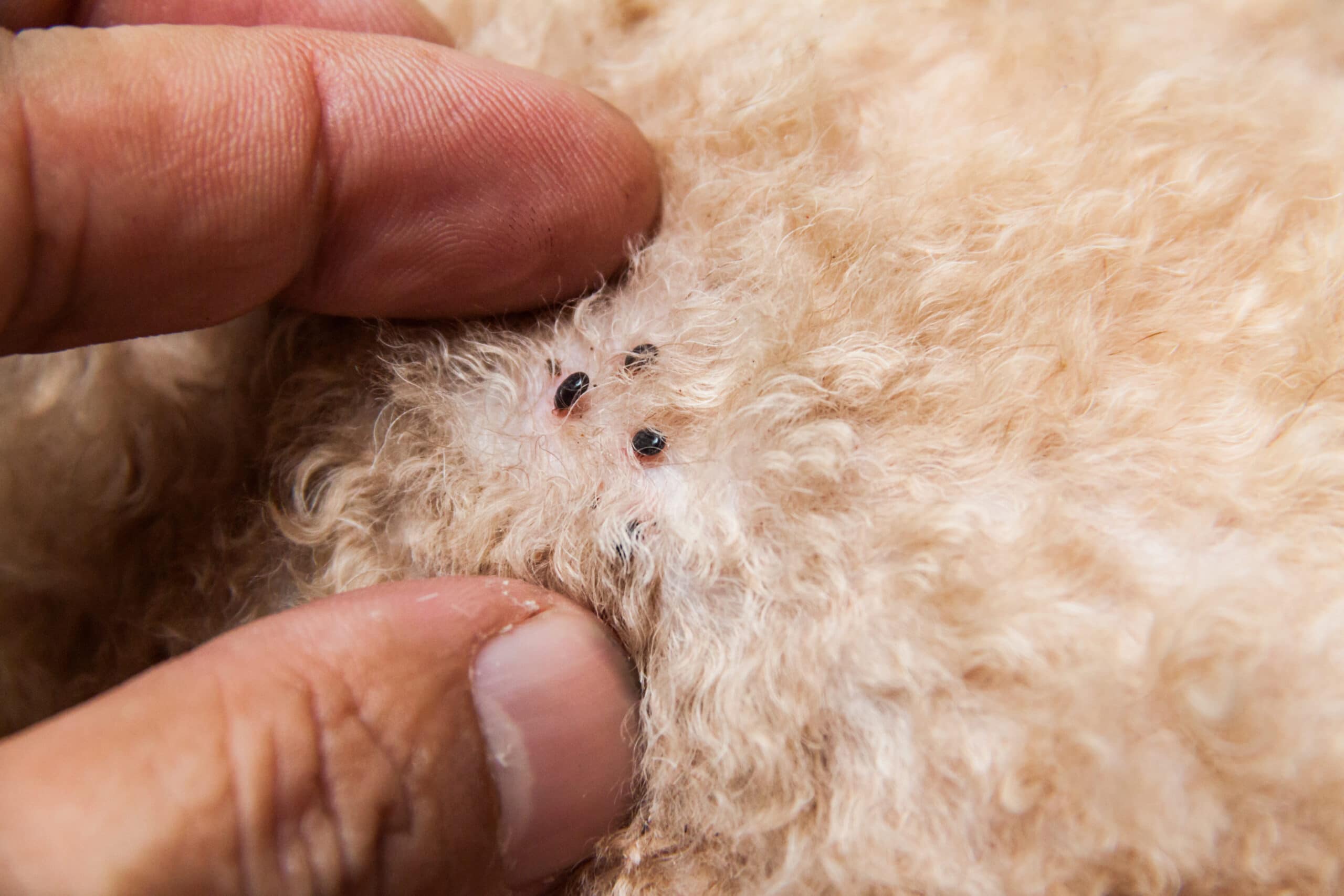

Frequently Asked Questions: Flea Treatment for Dogs
How quickly does flea treatment for dogs work?
The speed of flea treatment for dogs varies by product type. Fast-acting oral treatments like nitenpyram can begin killing fleas within 30 minutes. Most monthly topical spot-ons start working within 12 to 24 hours. Flea collars take a few days to reach full effectiveness. Regardless of the product chosen, you may continue to see fleas for up to two weeks as eggs in the environment hatch and are exposed to the treatment.
How often should I apply flea treatment to my dog?
Most topical flea treatment for dogs is designed for monthly application, though some products last up to three months. Oral chewables can range from daily to quarterly doses depending on the formulation. Always follow the product’s label instructions and consult your vet if you are unsure — especially if your dog swims frequently or is bathed regularly, as this can reduce the effectiveness of topical treatments.
Is flea treatment for dogs safe for puppies?
Not all flea treatments are suitable for puppies — many products have a minimum age or weight requirement, typically eight weeks or two kilograms. Always check the label before applying any flea treatment for dogs to a young puppy. Your vet can recommend an age-appropriate product, and for very young puppies a fine-toothed flea comb combined with a flea bath may be the safest option.
Do I need to treat my home as well as my dog?
Yes — effective flea treatment for dogs must be paired with home treatment. Up to 95% of a flea infestation exists in the environment as eggs, larvae, and pupae in carpets, bedding, and furniture — not on your pet. Wash your dog’s bedding in hot water, vacuum thoroughly and frequently, and use a household flea spray or fogger to break the life cycle and prevent re-infestation.
We also have a complete guide on signs a dog is in pain.
| Medical Disclaimer :This article is written for informational purposes based on the personal experience and research of the author. It is not a substitute for professional veterinary advice, diagnosis, or treatment. Always consult your veterinarian before making decisions about your dog’s health. |
This article is written for informational purposes and reflects the personal experience and research of the author. It does not replace professional veterinary or dog training advice. Always consult your veterinarian or a certified trainer for individual guidance.