


Finding the best dog breeds for you — choosing the right dog breed is one of the most consequential decisions a dog owner makes — yet it’s frequently based on appearance rather than compatibility. the right dog breeds for you depends on your living situation, activity level, experience with dogs, budget, and who else shares your home. This complete guide to choosing dog breeds breed walks you through every factor that matters, with detailed recommendations for each specific situation.
How to Choose the Right Dog Breed
Before falling in love with a specific breed, be honest about your lifestyle. The biggest predictor of a successful dog-owner relationship is compatibility — not the dog’s appearance, popularity, or how much you admired the breed in a film. Ask yourself:
- How active am I? A working breed like a Border Collie or Siberian Husky needs two or more hours of vigorous exercise daily. A Basset Hound or Shih Tzu is content with moderate daily walks.
- Where do I live? Apartment dwellers need different breeds than homeowners with gardens. Size is only one factor — temperament, noise level, and energy matter more.
- Do I have experience with dogs? Some breeds are ideal for first-time owners; others are challenging even for experienced handlers.
- Does anyone in my home have allergies? No dog is truly hypoallergenic, but some breeds shed significantly less dander and hair.
- Are there children or other pets? Some breeds are naturally gentle and patient with children; others have high prey drive or low tolerance for toddlers.
The AKC breed selector is a useful starting point, but the guides below will help you navigate each specific situation in depth.
Best Dogs for Apartments
Apartment living with a dog is entirely possible with the right dog breeds — and entirely miserable with the wrong one. The key factors for apartment suitability are not just size, but temperament, noise level, and energy requirements. A Great Dane is calmer and quieter than a Jack Russell Terrier despite being twelve times the size.
Breeds that consistently perform well in apartments include Greyhounds (despite their size, they are calm and quiet indoors), French Bulldogs, Cavalier King Charles Spaniels, Pugs, Shih Tzus, and Basset Hounds. What to avoid: high-energy herding and sporting breeds that become destructive without space to burn off energy.
Best apartments for dogs — complete guide → | Finding your perfect apartment dog →
Best Dogs for First-Time Owners
First-time dog owners need a breed that is forgiving of training mistakes, not overly demanding, and doesn’t have extreme physical or behavioural needs that require specialist handling. The best breeds for beginners combine trainability, a stable temperament, and manageable energy levels.
Labrador Retrievers, Golden Retrievers, Beagles, Cavalier King Charles Spaniels, and Poodles consistently top the list for first-time owners. Beagles in particular are an excellent choice for beginners who want a lively, sociable dog without the intensity of a working breed. Are Beagles good for beginners? →
Even among “easy” breeds, investing in puppy classes from day one makes a significant difference. Best guard dog breeds for first-time owners →
Dogs That Don’t Shed (Low-Shedding Breeds)
No dog is completely shed-free — all dogs lose some hair and produce dander. However, certain breeds shed significantly less than others and are better tolerated by allergy sufferers or owners who find dog hair difficult to manage. The best low-shedding breeds include: Poodles and Poodle crosses (Labradoodles, Goldendoodles), Portuguese Water Dogs, Bichon Frises, Schnauzers, Maltese, and Soft Coated Wheaten Terriers.
Note that low-shedding doesn’t mean low-maintenance — many of these breeds require regular professional grooming to prevent matting. 15 cute dogs that don’t shed → | Big dogs that are hypoallergenic →
Best Dogs for Running and Active Owners
If you run, hike, cycle, or spend significant time outdoors, a dog that can keep up and thrive on high activity levels is a genuine asset. The best running breeds combine endurance, structural soundness for sustained exercise, and the drive to keep going. Top picks include Vizslas, Weimaraners, Siberian Huskies, Border Collies, Rhodesian Ridgebacks, and Dalmatians.
Consider joint health: large and giant breeds are at higher risk of hip dysplasia and shouldn’t be run intensively until fully grown (24 months for large breeds). 12 best running dog breeds →
Best Dogs for Hot Climates
Dogs with heavy double coats, flat faces (brachycephalic breeds), or very dark colouring are poorly suited to hot climates. For warm-weather living, look for breeds with short single coats, good thermoregulation, and origins in warm regions. The Vizsla, Weimaraner, Basenji, Pharaoh Hound, Greyhound, and Dalmatian all tolerate heat well.
Regardless of breed, never leave a dog in a car in warm weather, always provide shade and fresh water outdoors, and limit intense exercise to cooler morning or evening hours. 14 dog breeds that tolerate the heat →
Best Dogs for Seniors
Older adults often find that a dog provides tremendous companionship, purpose, and motivation to stay active. the right dog breeds for a senior owner prioritises low energy requirements, small to medium size, a gentle temperament, and manageable grooming. Cavalier King Charles Spaniels, Bichon Frises, Shih Tzus, Pugs, and gentle medium breeds like the Basset Hound or Cocker Spaniel consistently suit older owners well.
Adopting an adult or senior dog — rather than a puppy — is often the wisest choice for older owners, avoiding the intense demands of the puppy stage. 13 best dog breeds for seniors →
Emotional Support Dogs
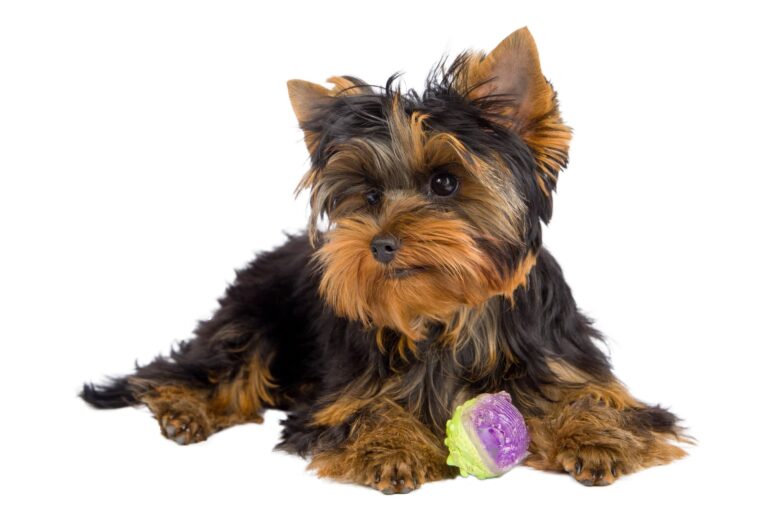
Emotional support dogs (ESDs) don’t require specialised training like service dogs, but certain breeds are temperamentally better suited to the role. The best ESDs are calm, attuned to human emotional states, affectionate, and reliably gentle. Golden Retrievers, Labrador Retrievers, Cavalier King Charles Spaniels, Poodles, and Yorkshire Terriers are among the most frequently recommended breeds for emotional support purposes. 11 remarkable emotional support dog breeds →
Specific Breed Guides
Looking at a specific breed? We have detailed guides for several popular choices:
- Are Dachshunds good dogs? — temperament, health, care and what to expect
- Bernese Mountain Dog personality traits — everything about this gentle giant
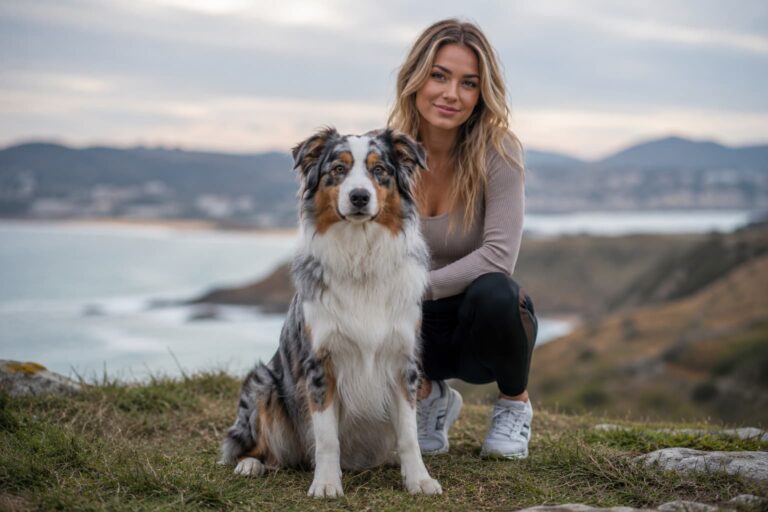
- Australian Shepherd guide — for active owners wanting a working breed
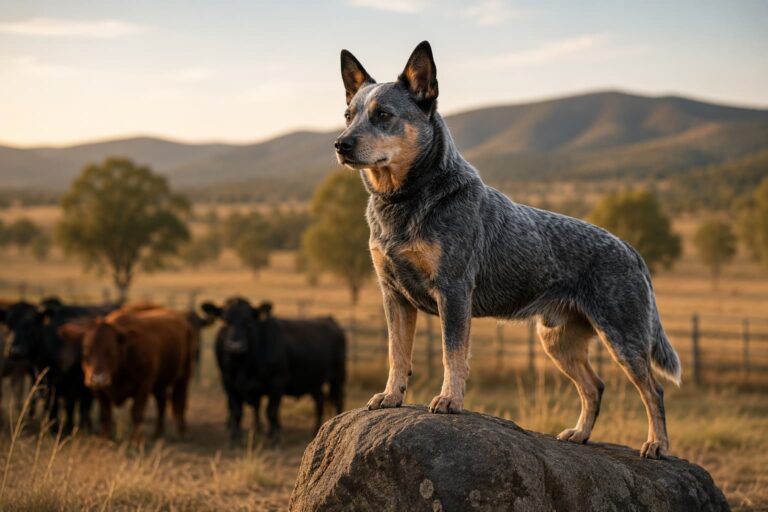
- Australian Cattle Dog guide — the Blue Heeler in detail
dog breeds selection FAQs
Is it better to get a puppy or an adult dog?
Both have genuine advantages. Puppies allow you to shape behaviour from the beginning, but require enormous time investment in training, socialisation, and supervision during the first year. Adult dogs often have known temperaments and may already be house-trained and past the destructive puppy phase. Rescue adult dogs are frequently overlooked but make exceptional companions — and you can usually get a clearer read on their personality before committing.
What is the easiest dog to own?
Ease is relative — what’s easy for an active outdoor person is very different from what’s easy for someone who lives in an apartment and works long hours. Generally, Labrador Retrievers, Golden Retrievers, and Cavalier King Charles Spaniels are consistently cited as among the most straightforward breeds for most owners, due to their trainability, stable temperaments, and adaptability to different living situations.
What dog breed is best for families with young children?
Labrador Retrievers, Golden Retrievers, Beagles, Boxers, and Cavalier King Charles Spaniels are widely considered the most reliably family-friendly breeds. Regardless of breed, always supervise interactions between dogs and young children — no breed is immune to reacting badly to rough handling, and teaching children how to interact respectfully with dogs is just as important as choosing the right dog breeds.
Should I get a purebred dog or a mixed breed?
Both can make wonderful companions. Purebreds offer more predictable physical characteristics and temperament tendencies, though not guarantees. Mixed breeds often benefit from hybrid vigour — reduced likelihood of breed-specific hereditary conditions. The most important factors in any dog are their individual personality, early socialisation, and the care they receive — not whether they have a pedigree.