The 3-3-3 Rule for Rescue Dogs: The Complete Decompression Timeline

Table of Contents
The 3-3-3 rule for rescue dogs is the single most useful framework I wish someone had handed me before I brought my first rescue dog home. It breaks the adjustment period into three stages — the first 3 days, the first 3 weeks, and the first 3 months — and gives you a realistic map for what is normal, what to expect, and when to actually worry.
My rescue terrier mix spent his first three days under the dining table. Not hiding exactly — more like surveying. He would not eat from his bowl, would not approach us, and barely moved except to follow us with his eyes from room to room. I panicked and called the rescue organisation, convinced something was wrong. The volunteer laughed gently and said one sentence that has stuck with me ever since: he is not broken, he is just brand new. That was my first real introduction to the 3-3-3 rule, and it changed how I handled every rescue dog after him.
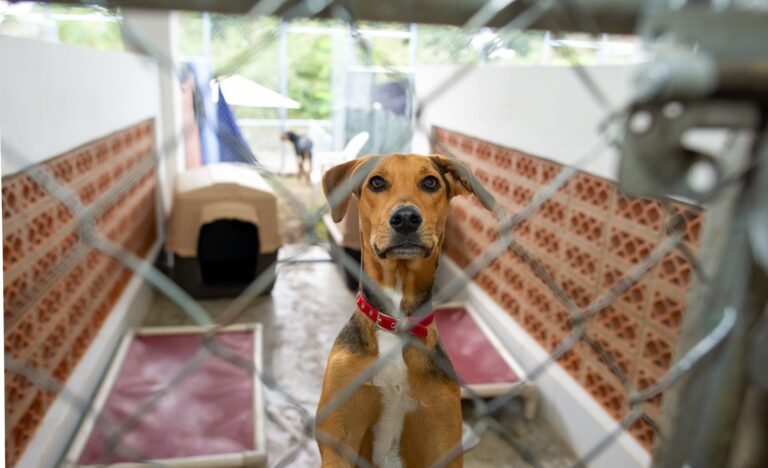
Dr Erin Katribe, director of the national veterinary program for Best Friends Animal Society, frames the shelter experience accurately: shelters do their very best for dogs, but they are inherently stressful environments. Moving into a home is typically far less stressful, but it is still a transition, and transitions take time to process. The 3-3-3 rule is not a strict formula — it is a guideline that sets realistic expectations so you do not misread normal adjustment behaviour as a failed adoption.
The framework itself was not invented by any single rescue — it is shared shelter wisdom that organisations including the ASPCA now use to coach adopters and foster families. What follows is what each stage actually looks like, what genuinely helps, and where well-meaning owners tend to go wrong.
What the 3-3-3 Rule Actually Means
The 3-3-3 rule for rescue dogs splits the adjustment period into three phases, each with a different emotional and behavioural focus.
The first 3 days: decompression
This is the stage almost every new rescue dog goes through, and it is the one owners most commonly misread as a problem. During the first 72 hours, your dog is overwhelmed by an entirely new environment — new smells, new sounds, new people, none of it familiar. It is completely normal for a dog at this stage to refuse food or water initially, hide under furniture or in a crate, avoid eye contact, or alternatively test boundaries in ways that seem out of character.
Potty accidents are common even in dogs that were previously house-trained, simply because the stress overrides learned behaviour. If your dog skips a meal or two, that alone is rarely a reason to panic — we cover exactly when appetite loss becomes a genuine concern here.
The right response during the first stage of the 3-3-3 rule for rescue dogs is to do almost nothing. No visitors, no trips to the dog park, no rushing to introduce other pets. Provide a quiet space, consistent food and water access, and let your dog observe rather than perform.
The first 3 weeks: learning the routine
By the second or third week, most dogs begin to settle into a recognisable rhythm. They start to understand when meals happen, when walks happen, and where the safe spots in the house are. This is also when a dog’s real personality starts to emerge — sometimes for better, sometimes revealing behavioural issues that the stress of the first few days had suppressed entirely. AKC’s decompression guidance is direct about this: this period could be even more unsettling for rescued dogs, some of whom have come from multiple shelters and foster homes with stressful transport and medical evaluations along the way.
At this point in the 3-3-3 rule for rescue dogs, it is the appropriate time to begin gentle, low-pressure training — basic commands, simple routines, short positive sessions. It is not the time for intensive obedience work or major lifestyle changes.
The first 3 months: building trust
By three months, most dogs have settled into a genuine sense of security in their new home. Trust deepens, routines are established, and the bond between dog and owner solidifies — this is the payoff stage of the 3-3-3 rule for rescue dogs. This is typically when a dog’s true temperament is fully visible — confident, anxious, playful, independent, whatever they naturally are once the stress of transition has fully cleared.
It is worth being honest about something most 3-3-3 guides gloss over: some dogs take significantly longer than three months. Dogs with more traumatic histories, multiple previous homes, or limited early socialisation may need six months to a year before they feel fully secure. This is not a failure of the 3-3-3 framework — it is simply a guideline, not a guarantee, and patience matters more than the calendar.
The 3-3-3 Rule at a Glance
If you want the short version to keep on the fridge, here is how the 3-3-3 rule for rescue dogs breaks down, stage by stage.
| Stage | Typical Duration | What’s Normal | What Helps Most |
|---|---|---|---|
| First 3 Days | 0–3 days | Hiding, appetite loss, no eye contact, accidents | Quiet space, minimal handling, predictable feeding |
| First 3 Weeks | 4 days – 3 weeks | Testing boundaries, personality emerging, some regression | Gentle routine, short training sessions, consistent rules |
| First 3 Months | 3 weeks – 3 months+ | True personality settles in, deeper bonding, fewer surprises | Patience, continued structure, gradual new experiences |
Decompression — What Your Dog Actually Needs in Those First Days
Decompression is the practical work that happens during the 3-3-3 rule for rescue dogs, particularly in the first days and weeks. Here is what genuinely helps:
- Crate or quiet space — a den-like area with a cover, away from household traffic, gives a stressed dog somewhere to retreat completely. Most rescue dogs find this far more calming than open access to the whole house. If you are starting from scratch, here is how to crate train an older dog the right way.
- Hand-feeding the first meal — offering the first meal by hand near the crate establishes you as a safe, reliable provider rather than a stranger to be assessed.
- Minimal visitors — resist the urge to show off your new dog to friends and family in the first week. Every new person is another variable for an already overwhelmed nervous system to process.
- No dog parks or crowded spaces — unfamiliar dogs and loud environments can trigger setbacks that take days to recover from.
- Predictable routine — consistent feeding times, walk times, and bedtime, even if the dog is not yet fully settled, gives their nervous system something stable to anchor to.
- Limited affection, more space — it is tempting to smother a new dog with cuddles, but many dogs need to initiate contact themselves before they are ready for it. Let them come to you.
Getting Your Home Ready Before Your Rescue Dog Arrives
A little preparation before pickup day makes the first 3 days of the 3-3-3 rule for rescue dogs noticeably calmer for everyone. Before your rescue dog comes home, aim to have:
- A dedicated quiet room or crate area set up in advance, away from the busiest part of the house.
- Food and water bowls, plus a few days’ supply of whatever food your dog was already eating, to avoid stacking a diet change on top of stress.
- A secure, well-fitted collar with ID tag and a sturdy leash — many rescue dogs slip standard collars in the first few days, so a properly fitted martingale collar is worth considering.
- A baby gate or exercise pen to section off safe spaces without needing to fully isolate your dog from the household.
- A first vet visit booked within the first couple of weeks, even if your dog seems perfectly healthy.
- Clear house rules agreed on by everyone in the household before the dog arrives, not negotiated on the fly.
Signs Your Dog Needs Extra Support (And When to Call a Professional)
Most of what looks alarming in the first few days of the 3-3-3 rule for rescue dogs is ordinary decompression, not a behavioural problem. VCA Animal Hospitals lists panting when a dog is not hot or exercised, pacing, excessive shedding, and withdrawal as common stress signals in dogs — all of which show up regularly during the 3-3-3 timeline and settle down on their own as your dog adjusts.
What is worth paying closer attention to is persistent whining or vocalising that does not ease with routine (our guide to reducing excessive whining covers the common causes), destructive chewing that continues well past the first few weeks (see how to stop a dog from chewing furniture), or signs of true separation anxiety such as panic when left alone, escape attempts, or self-injury (here is how to help a dog with separation anxiety). None of these are things to push through alone during the 3-3-3 rule for rescue dogs if they are severe — a certified trainer or veterinary behaviourist can rule out pain or a medical cause and build a proper plan with you.
Common Mistakes That Slow Decompression Down
A few mistakes come up again and again when people try to follow the 3-3-3 rule for rescue dogs:
- Expecting your dog to be “normal” instantly — a rescue dog’s true personality only emerges once they feel safe, which takes time.
- Introducing too much too soon — under the 3-3-3 rule for rescue dogs, new people, new pets, and new places should be staggered, not stacked.
- Letting rules slide early, then enforcing them later — this creates confusion. Decide your house rules from day one and stay consistent.
- Ignoring subtle stress signals — panting, pacing, and avoidance are early warning signs that something needs to slow down, not be pushed through.
- Panicking over normal day-one behaviour — refusing food, hiding, and avoiding eye contact in the first 72 hours is exactly what the 3-3-3 rule for rescue dogs predicts, not a red flag on its own.
- Comparing your new dog to a previous pet — every dog’s timeline and personality are their own, and comparisons only add pressure.
- Assuming a rescue background means something is “wrong” with the dog — most rescue dogs are simply between homes, not damaged.
Frequently Asked Questions
My rescue dog isn’t following the 3-3-3 timeline at all — should I worry?
Not necessarily. The 3-3-3 rule for rescue dogs is a general guideline, and every dog’s history, temperament, and previous environment affect how quickly they adjust. Some dogs settle within days; others genuinely need six months to a year. What matters more than matching the timeline exactly is whether you see gradual, ongoing improvement. If your dog seems to be regressing rather than progressing after several weeks, that is the point to consult a vet or certified trainer to rule out underlying issues.
Is it normal for my new rescue dog to not eat for several days?
Following the 3-3-3 rule for rescue dogs, some appetite suppression in the first 2 to 3 days is common and expected due to stress. If your dog goes beyond 3 days without eating anything, or shows other signs like vomiting, diarrhoea, or extreme lethargy, contact your vet. Hydration matters more than food in the very short term — keep fresh water available and monitor that they are drinking.
When can I introduce my rescue dog to other pets in the house?
When you’re working through the 3-3-3 rule for rescue dogs, most guidance recommends waiting until after the initial decompression period — generally a few days to a week — before any introductions, and even then doing it gradually with scent swapping and supervised, brief sessions rather than a single full introduction. Rushing this step is one of the most common causes of lasting tension between pets.
Should I crate my rescue dog at night during decompression?
Under the 3-3-3 rule for rescue dogs, for most dogs the answer is yes, at least at first. A crate gives an overwhelmed dog a predictable, enclosed space to sleep without having to monitor the whole room. It is not a punishment — done correctly, it is one of the fastest ways to help a dog settle. If you are working with a younger dog, our puppy crate training guide applies the same principles.
Does the 3-3-3 rule apply to puppies as well as adult rescue dogs?
Broadly yes — the 3-3-3 rule for rescue dogs applies to puppies too, though they often move through the stages faster simply because they have less history to process. That said, puppies from neglected or under-socialised backgrounds can still take the full three months, or longer, to fully settle, so treat the timeline as a guide rather than a guarantee either way.
Is there anything I can do to speed up my rescue dog’s decompression?
Not really, and trying to rush the 3-3-3 rule for rescue dogs usually backfires. What actually helps with the 3-3-3 rule for rescue dogs is consistency: the same feeding times, the same walk routine, the same house rules from day one. Dogs settle faster with predictability, not with more attention, more toys, or more outings.
My rescue dog was doing well and then suddenly regressed — what happened?
Within the 3-3-3 rule for rescue dogs, short regressions are common, especially around the three-week mark when a dog starts testing boundaries, or after a change like a new visitor, a loud event, or a disrupted schedule. A single setback is not a failure of the 3-3-3 process. If the regression lasts more than a week or two with no obvious trigger, it is worth mentioning to your vet.
The 3-3-3 rule for rescue dogs is not a race. There is no prize for finishing decompression early. The dog who takes eight months to fully relax is not behind schedule — they are exactly where they need to be. Keep the routine boring, keep your expectations realistic, and the trust will come.
| Training Disclaimer: This guide to the 3-3-3 rule for rescue dogs reflects the personal experience and research of the author and is for informational purposes only. It does not replace guidance from a certified professional dog trainer or veterinary behaviorist, particularly for dogs showing signs of fear-based aggression. |

Michael Burrows is a contributor and editor at Dogs and Cats HQ. He specializes in researching pet behavior, training, health, and nutrition topics. His articles are based on veterinary sources, animal welfare organizations, and practical pet ownership experience shared by the Dogs and Cats HQ editorial team.