

Updated April 2026 | 8 min read
If you’ve ever glanced over at your cat and found them curled up — again — in the same sunny spot they were sleeping in two hours ago, you’ve probably wondered: is this normal? Is my cat okay? Why do cats sleep so much?
The short answer is yes, it’s completely normal. But the longer answer is far more fascinating. Your cat’s extraordinary sleeping habits are rooted in millions of years of evolution, and understanding them tells you a lot about who your cat really is — a finely tuned predator disguised as a couch decoration.
According to VCA Animal Hospitals, cats sleep between 12 and 16 hours per day on average.
In this guide we cover everything: how many hours cats sleep by age, the 7 real reasons behind all those naps, what different sleeping positions mean, when excessive sleeping is actually a warning sign, and how to tell if your cat is bored versus genuinely tired.
If you want to dig deeper, check out our guide on why does my cat follow me everywhere?.
How Many Hours Do Cats Sleep? (By Age)
Before we get into why cats sleep so much, let’s establish what ‘normal’ actually looks like. The answer changes significantly depending on your cat’s age:
| Cat’s age | Hours of sleep/day | Why |
| Kitten (0–6 months) | 16–20 hours | Growing rapidly; sleep triggers growth hormone |
| Young adult (6m–2 yrs) | 12–16 hours | Active and playful when awake; recharging |
| Adult cat (2–10 yrs) | 12–16 hours | Normal feline baseline; conserving energy |
| Senior cat (10+ yrs) | 16–20 hours | Metabolism slowing; more rest needed |
So if your adult cat is sleeping 14 hours a day and you’re concerned — don’t be. That’s perfectly healthy. The question to ask isn’t ‘is my cat sleeping too much?’ but rather ‘has my cat’s sleep pattern suddenly changed?’ A change is what matters, not the baseline. According to the ASPCA’s cat care guide, cats’ sleep patterns are largely governed by their predatory instincts and can vary significantly with age, health, and environment.
| 💡 Quick fact Cats sleep more than almost any other mammal. Only bats, opossums, and a handful of other species sleep longer. Your cat isn’t lazy — they’re biologically wired this way. |
Why Do Cats Sleep So Much? The 7 Real Reasons
1. They’re Built to Conserve Energy Between Hunts
Your domestic cat shares almost identical hunting instincts with their wild ancestors. In the wild, a cat’s day looks like this: sleep → stalk → burst of intense energy to catch prey → eat → sleep again. The hunt itself is short but explosive, burning enormous amounts of energy in seconds.
To fuel those explosive hunting bursts, cats conserve energy between them by sleeping. Even though your cat is probably hunting a toy mouse or a feather wand rather than real prey, their body still operates on this ancient schedule. All those naps are essentially your cat charging their batteries for the next sprint.
2. Cats Are Crepuscular, Not Nocturnal
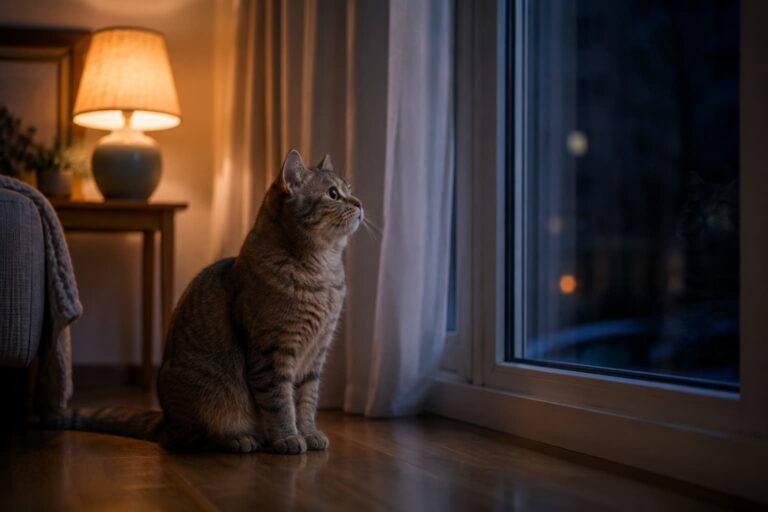
This surprises many cat owners. Cats are not truly nocturnal — they’re crepuscular, meaning they’re most naturally active at dawn and dusk. This aligns perfectly with when their prey (mice, birds, insects) is most active.
This is why your cat may seem to sleep through most of the day and then suddenly come alive at 5am or sprint around the house at 9pm. They’re not being difficult — they’re following their internal clock. The middle of the day and the middle of the night are their natural sleep windows.
3. They Experience Both Light Sleep and Deep REM Sleep
Cats don’t just knock out and stay deeply asleep for hours at a time. They cycle between two states: light dozing (about 75% of their sleep) and deep REM sleep (about 25%). During light sleep your cat is still highly alert — you’ll notice their ears twitching at sounds even while their eyes are closed. This is why cats can look asleep but spring into action instantly.
During REM sleep (the deep stage), you might see your cat’s whiskers twitch, their paws move, or hear small sounds. Yes — cats dream. What they dream about is almost certainly small, fast, and squeaky.
4. Weather and Temperature Affect Their Sleep
Ever noticed your cat sleeps even more on rainy or cold days? Cats are highly sensitive to weather. Overcast, cool, or rainy conditions naturally trigger more sleep — this is the same instinct that makes you want to stay in bed on grey mornings. Their bodies conserve heat and energy when conditions aren’t ideal for hunting.
If your cat seems to sleep significantly more in winter, this is completely normal and nothing to worry about.
5. Boredom Can Look Exactly Like Sleepiness
This one surprises people. A bored cat and a tired cat look almost identical — both will curl up and sleep for long stretches. But the difference matters for your cat’s health and happiness.
A bored cat is sleeping because there’s nothing else to do, not because their body genuinely needs rest. Signs your cat might be sleeping out of boredom rather than genuine fatigue: they seem restless or unsettled when awake, they follow you obsessively, they’re gaining weight, or they seem disinterested in food and play.
| 🐾 Tip for bored catsI f your cat sleeps excessively and seems restless when awake, try adding 15 minutes of interactive play twice a day using a wand toy. Most cats show a dramatic improvement in energy and engagement within a week. |
6. Age Naturally Increases Sleep
Just like older humans need more rest, senior cats (10 years and older) naturally require more sleep than they did in their prime. Their metabolism slows, their joints may ache, and recovery from activity takes longer. A senior cat sleeping 18–20 hours a day is not unusual and is no cause for alarm on its own.
The key thing to watch in senior cats is not how much they sleep but whether their sleep pattern has changed suddenly, or whether they seem uncomfortable when they wake up. These can be early signs of arthritis, hyperthyroidism, or kidney disease — all common in older cats.
7. Illness and Pain Can Increase Sleep
While extra sleep is usually completely normal, a sudden significant increase in sleep — especially when paired with other changes — can be a sign something is wrong. Watch out for these combinations:
- Sleeping much more than usual combined with not eating
- Increased sleep alongside hiding or unusual aggression
- More sleep paired with weight loss, vomiting, or diarrhea
- Sudden lethargy in a cat that was previously active and playful
If any of these combinations appear, a vet visit is the right call. Early detection of conditions like anaemia, infections, diabetes, or kidney disease makes a huge difference to outcomes.
What Do Different Cat Sleeping Positions Mean?
How your cat sleeps can tell you a lot about how they’re feeling. Here are the most common positions decoded:
The Loaf
Paws tucked under the body, eyes half closed. This is a relaxed but alert position — your cat is comfortable but not fully committed to sleep. They’re keeping an eye on things.
Curled in a Ball
The classic position. Your cat is conserving body heat and protecting their vital organs. This instinct comes from the wild. It usually means your cat feels safe but is in a cooler environment.
Belly Up
A cat sleeping on their back with their belly exposed is showing maximum trust and comfort. The belly is the most vulnerable part of a cat’s body — exposing it means they feel completely safe in their environment. This is a huge compliment.
Face Down
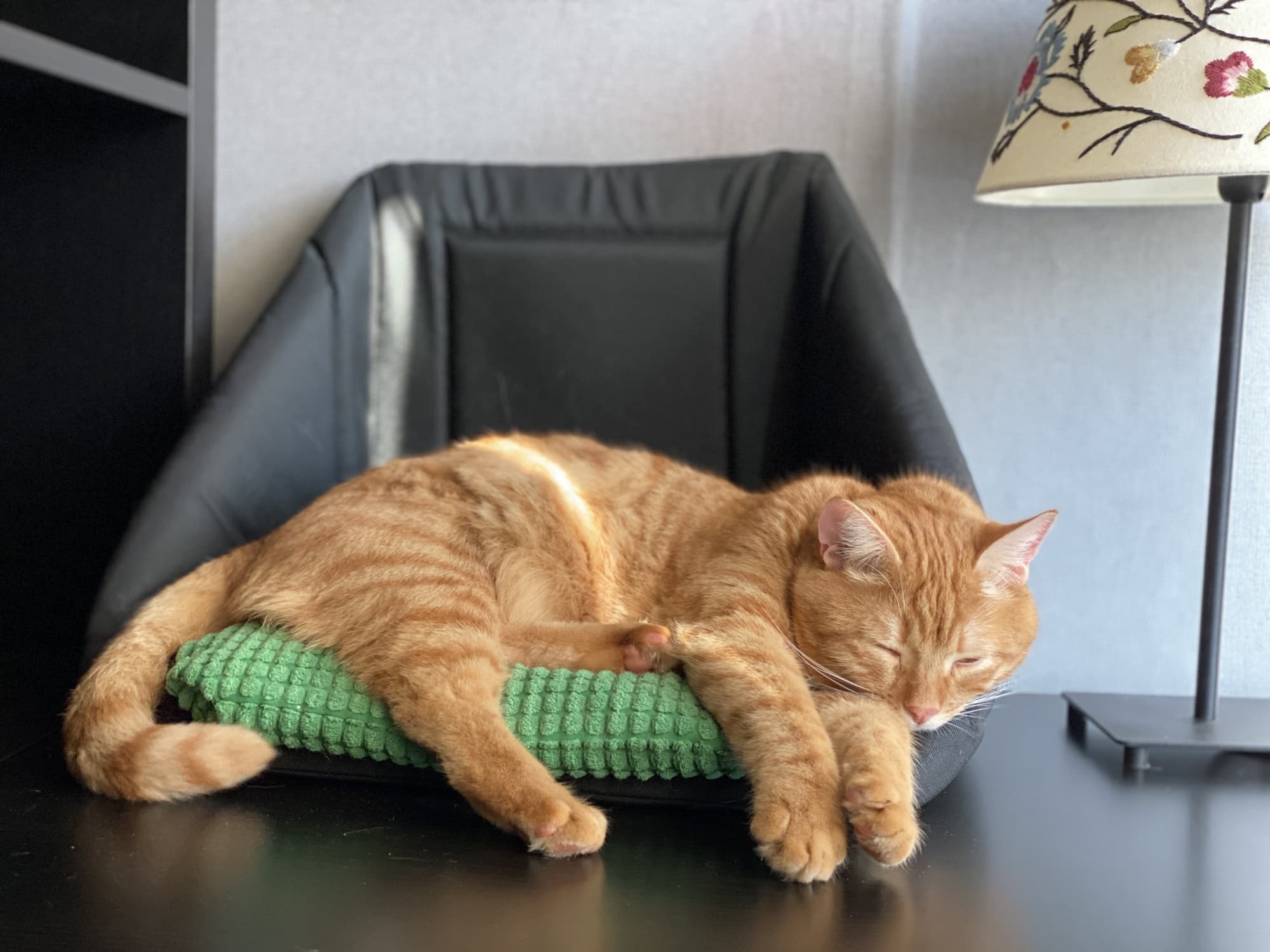
Some cats sleep with their face pressed flat into a surface — this is normal and usually just means they’re deeply relaxed. It can also mean the surface is cool, which feels good. Unless your cat seems distressed or is having difficulty breathing, face-down sleeping is nothing to worry about.
Pressed Against You
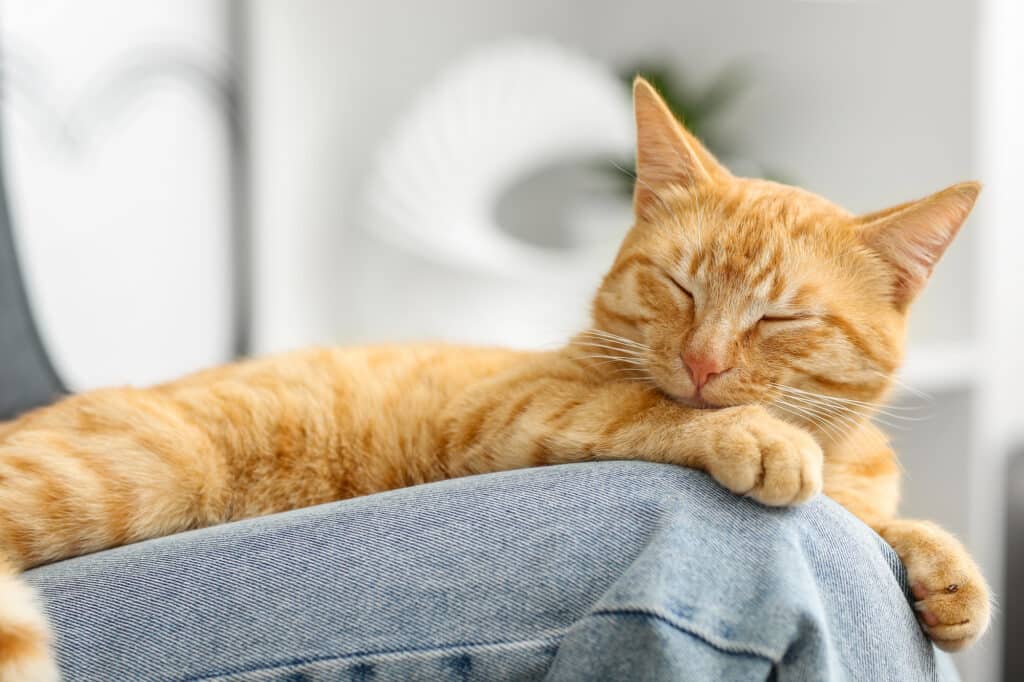
When your cat chooses to sleep in contact with you — on your legs, pressed against your side, or on your chest — it’s a sign of deep bonding and trust. Cats are warm-seeking animals and their favourite heat source is usually the person they love most.
Why Does My Cat Sleep All Day but Run Around at Night?
This is one of the most common complaints from cat owners. The answer comes back to your cat being crepuscular — wired for dawn and dusk activity. Your cat’s most natural active window (dawn/dusk) doesn’t match your sleep schedule, which is why they can seem perfectly energetic at 3am when you desperately want them to settle down.
The good news is you can shift this with consistent routine. An intensive play session 30–60 minutes before your bedtime, followed by a meal, mimics the hunt-eat-sleep cycle and naturally brings forward your cat’s sleep window to align better with yours. Most cat owners see improvement within 1–2 weeks of doing this consistently.
| 💤 Sleep sync tip Feed your cat their largest meal of the day right before your bedtime. A full cat is a sleepy cat. This single change helps more cat owners sync their sleep schedules than any other technique. |
When Should You Actually Worry About Your Cat Sleeping Too Much?
Repeat after us: the baseline amount of sleep is not the concern. The change is what matters. Here’s a simple rule:
If your cat has always slept 15 hours a day and continues to do so — that’s just your cat. If your cat was sleeping 12 hours a day and has recently shifted to 18+ hours with no other lifestyle change — that’s worth investigating.
Take your cat to the vet if increased sleep is accompanied by any of the following:
- Loss of appetite or dramatic change in eating habits
- Sudden weight loss
- Hiding or unusual withdrawal from family
- Vomiting, diarrhea, or changes in litter box habits
- Difficulty jumping, stiffness, or signs of pain
- Increased thirst and urination
- Discharge from eyes or nose
We also have a complete guide on why is my cat not eating?.
How to Make Sure Your Cat’s Sleep Is Healthy
You can’t and shouldn’t try to reduce how much your cat sleeps — it’s biologically necessary. But you can make sure the sleep they’re getting is high quality and that their awake time is enriching:
- Provide a warm, quiet sleeping spot away from heavy foot traffic
- Rotate toys regularly so there’s always something novel to hunt
- Use a window perch — birds and street activity provide mental stimulation
- Schedule two 10–15 minute play sessions daily, especially one before bed
- If you have one cat, consider whether a second cat might provide companionship and reduce boredom sleeping
Frequently Asked Questions
| Q: Is it normal for my cat to sleep 20 hours a day?A: For kittens and senior cats, yes — 20 hours is within the normal range. For healthy adult cats (2–10 years), 12–16 hours is more typical. If an adult cat suddenly starts sleeping 20 hours a day when they previously slept much less, it’s worth a vet check. |
| Q: Why does my cat sleep so much but then have sudden bursts of energy?A: This is the crepuscular hunting cycle at work. Cats conserve energy through long sleep and then release it in short, explosive bursts of activity — just like they would during a hunt. The ‘zoomies’ your cat gets at dawn or dusk are a perfectly natural expression of this pattern. |
| Q: Why does my cat sleep on my face or head?A: Your head produces the most body heat of any part of your body. Cats are heat-seeking, and your face area is the warmest spot on the bed. It’s also a sign of deep affection and trust — your cat wants to be as close to you as possible while you both sleep. |
| Q: My cat sleeps all day and isn’t playful anymore. Should I be worried?A: If this is a recent change from your cat’s normal behaviour, yes — it’s worth a vet visit. A gradual shift in energy levels in an older cat can be normal aging, but a sudden change in a younger cat, especially combined with other symptoms, should be checked out. |
| Q: Do cats dream?A: Yes. During REM sleep, cats show signs of dreaming — whisker twitching, paw movements, soft sounds, and rapid eye movements. They almost certainly dream about hunting, playing, and the events of their day, though we can’t know exactly what they experience. |
Final Thoughts
Your cat sleeping 12 to 20 hours a day isn’t laziness, illness, or boredom (though boredom can play a role). It’s the behaviour of a perfectly designed predator managing their energy reserves for the hunt — even if that hunt is a crinkle ball across the kitchen floor.
The key things to take away: know your cat’s normal baseline, watch for sudden changes rather than the absolute number of hours, make sure awake time is stimulating, and when in doubt — trust your gut and call your vet.
Now if you’ll excuse us, there’s a sunny spot on the sofa with our name on it. We understand the appeal.
For more on this, see our guide on why do cats purr?.
You might also find our guide on why does my cat bite me? helpful.
You may also want to read our guide on why do cats knead?.


Frequently Asked Questions: Why Do Cats Sleep So Much?
Why do cats sleep so much compared to humans?
Cats sleep between 12 and 16 hours a day on average — far more than humans because their biology is built around short, intense bursts of activity followed by long rest periods. This is why do cats sleep so much: as obligate carnivores, they expend enormous energy in the hunt, and sleep is how they recover and conserve energy between those bursts. Even indoor cats retain this ancient rhythm.
Is it normal for my cat to sleep 16 hours a day?
Yes — 12 to 20 hours of sleep is entirely normal for most cats. A common question pet owners search for is why do cats sleep so much, and the short answer is that it’s simply how they’re wired. Kittens and senior cats tend to sleep even more. The concern isn’t how much they sleep but any sudden change — a cat that used to be active and now sleeps all day may warrant a vet check.
Do cats dream when they sleep?
Yes, research suggests cats experience REM sleep and likely dream. You may notice twitching paws, whisker movements, or soft vocalisations during deep sleep — these are signs of active dreaming. Part of why do cats sleep so much is that deep, restorative REM sleep plays an important role in memory consolidation and physical recovery, just as it does in humans.
Should I be worried if my cat sleeps more than usual?
While understanding why do cats sleep so much helps explain their baseline, a significant increase in sleep — combined with reduced appetite, weight loss, or disinterest in play — can signal illness. Conditions like anaemia, infections, diabetes, and pain can all cause lethargy. If your cat seems unusually unresponsive or hard to rouse, consult a veterinarian sooner rather than later.
This post is part of our complete cat behaviour library. For the full guide covering all 18 cat behaviours in one place, visit our complete cat behaviour guide.
| ⚠️ DisclaimerThis article is for informational purposes only and does not constitute veterinary advice. If you are concerned about your cat’s health or sleep patterns, please consult your veterinarian. |
This article is written for informational purposes and reflects the personal experience and research of the author. It does not replace professional veterinary or dog training advice. Always consult your veterinarian or a certified trainer for individual guidance.