

Published April 2026 | 6 min read
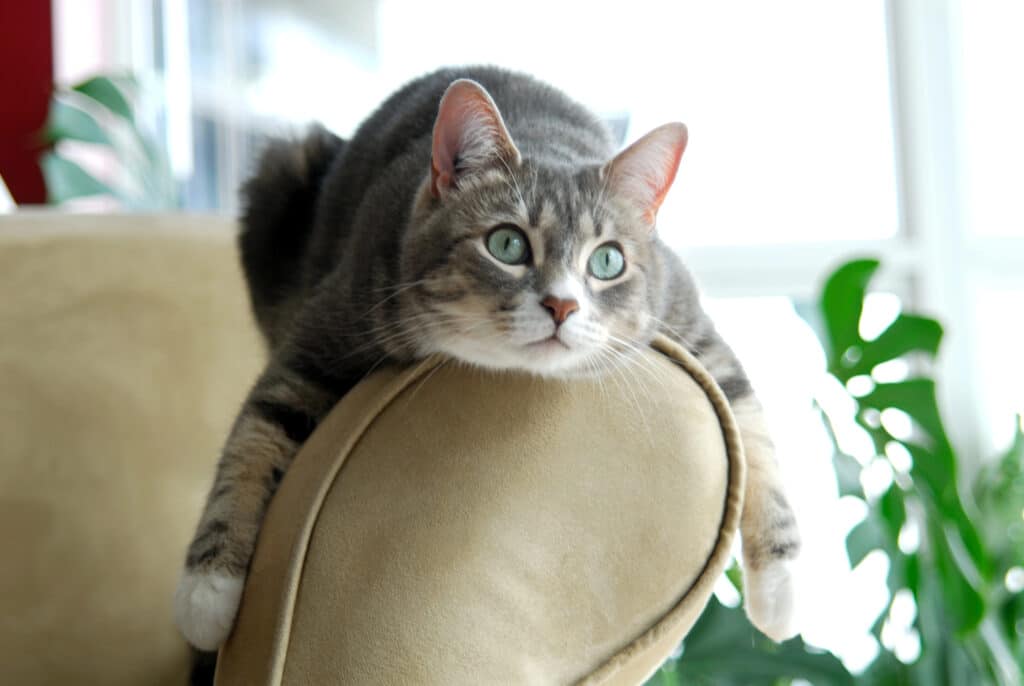
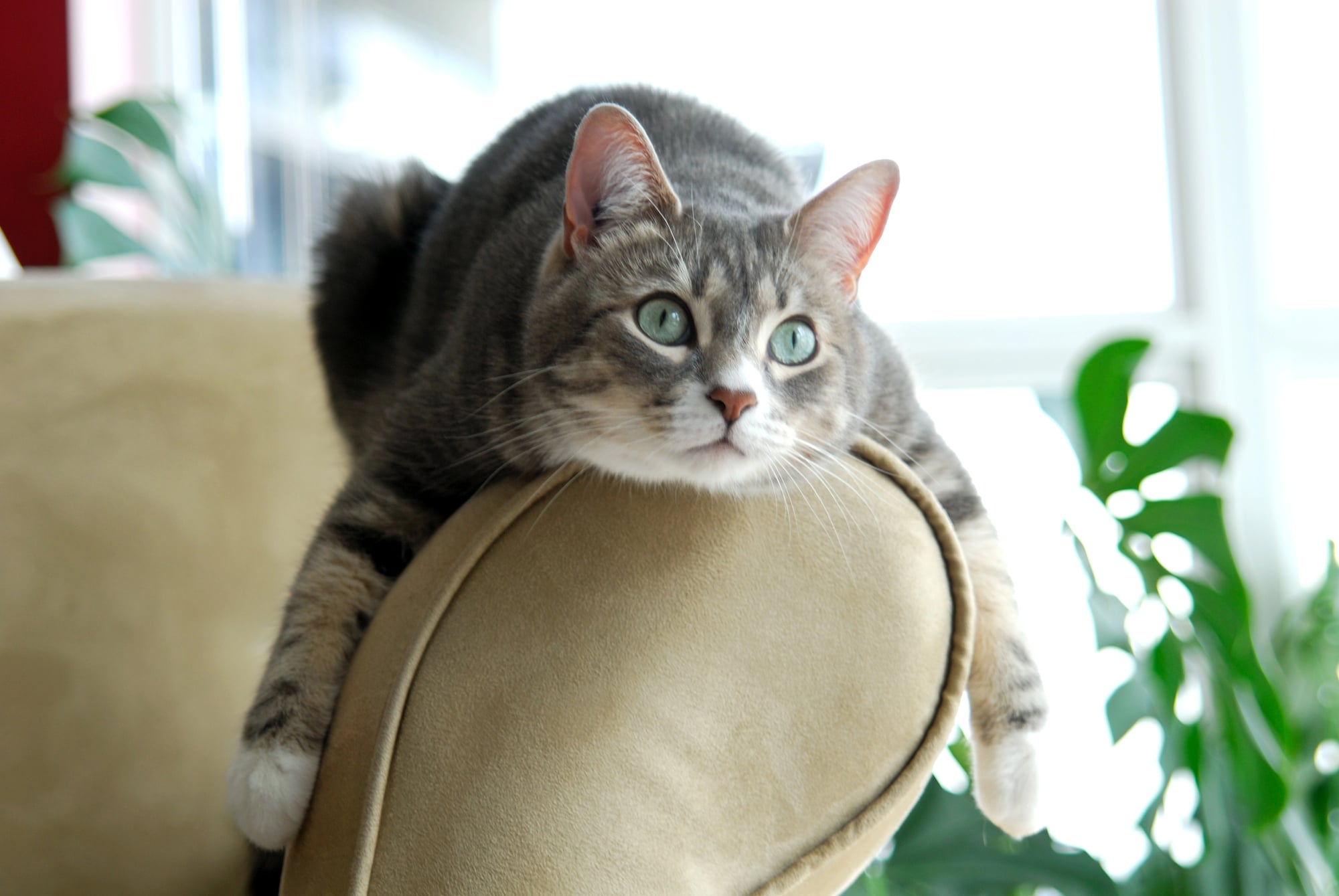
You look up from your book. Your cat is staring at you from across the room. Unblinking. Motionless. Like a small sphinx who has decided you personally owe them an explanation for your existence.
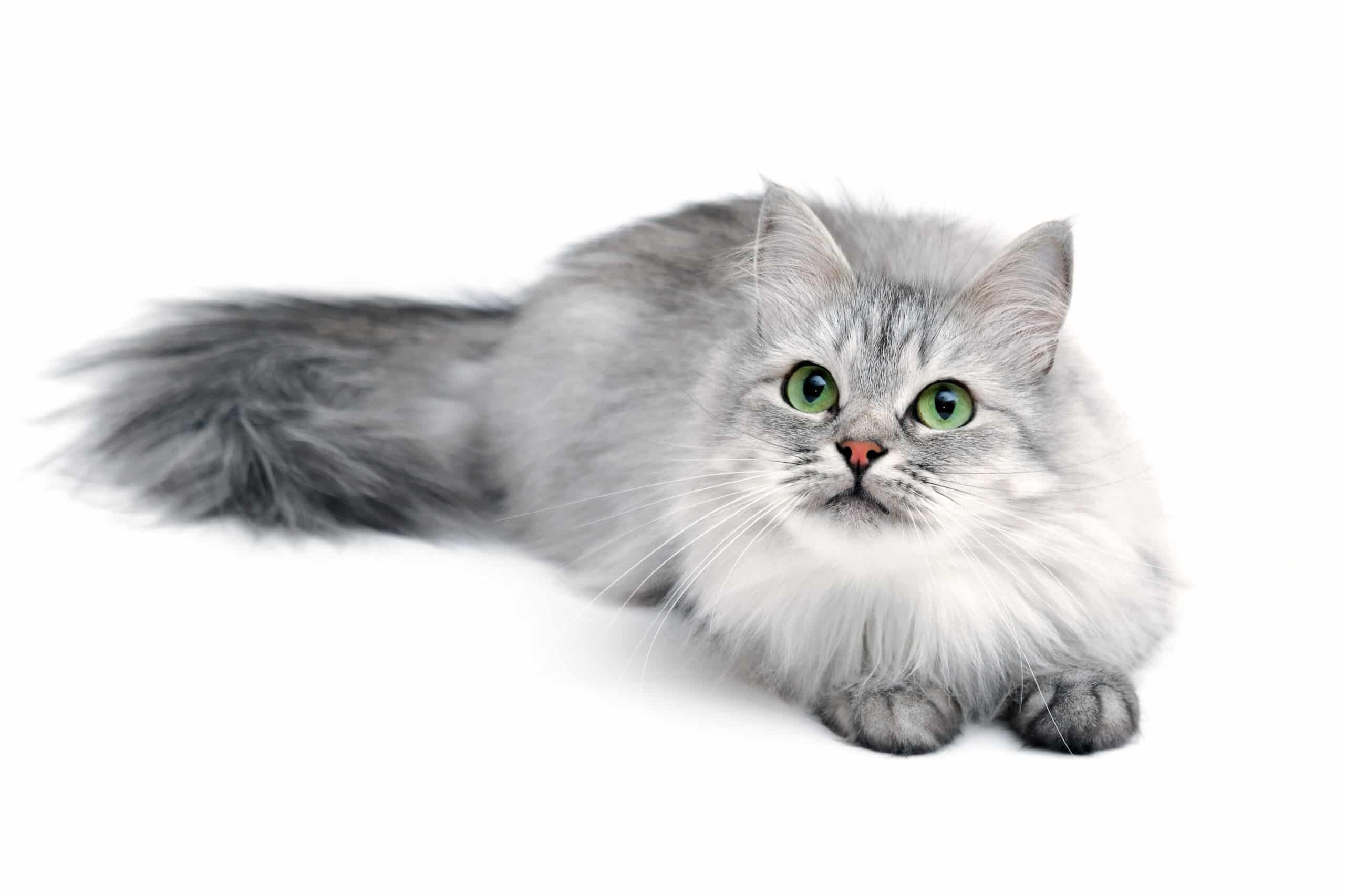
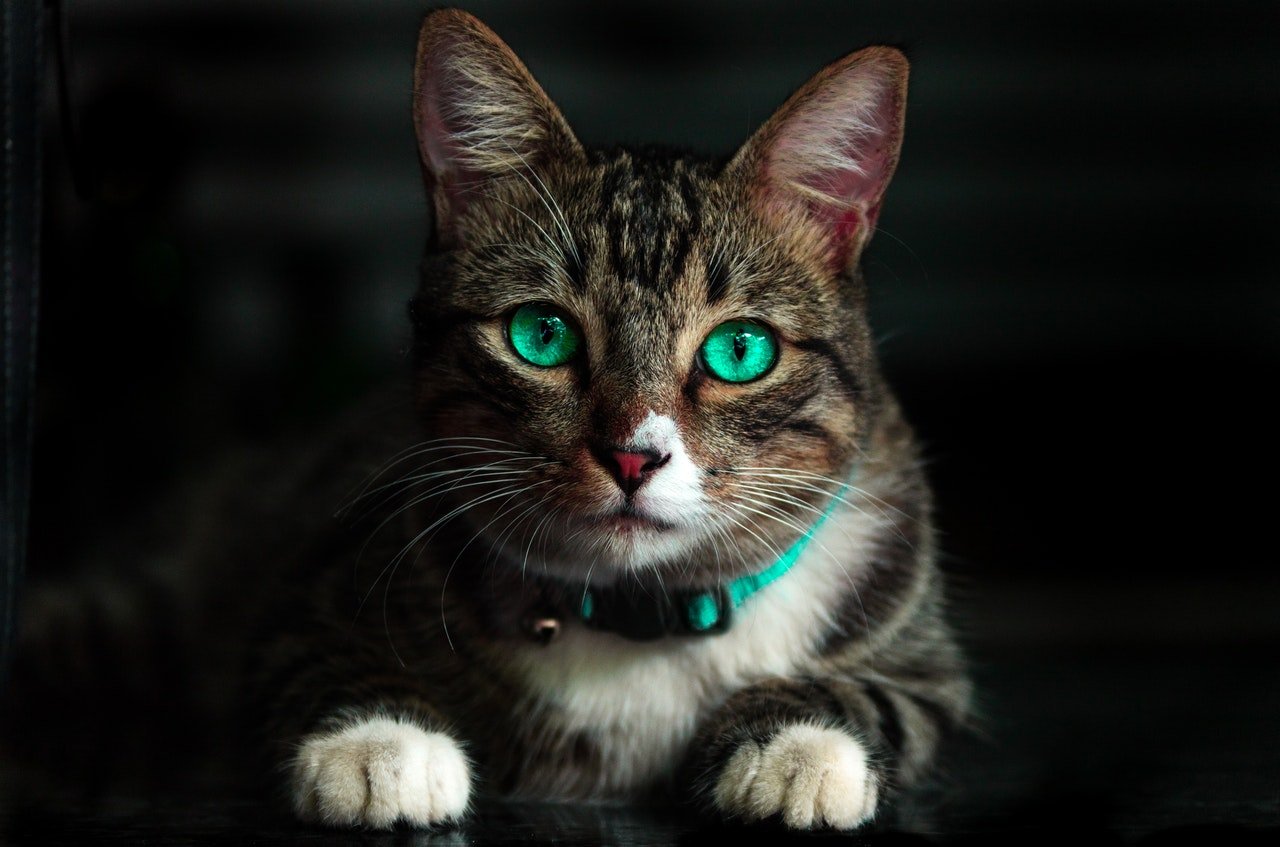
Sound familiar? The cat stare is one of the most characteristic — and most misunderstood — feline behaviours. In human culture, a prolonged unblinking stare signals aggression or weirdness. In cat culture, it means something entirely different — and usually something much more interesting.
Here’s what those seven different types of cat stares actually mean.
You might also find our guide on why do cats sleep so much? helpful.
You may also want to read our guide on why do cats hate water?.
Related: our guide on why does my cat lick me? covers this in more depth.
7 types of cat stare — decoded
1. The affection stare — slow blinking included
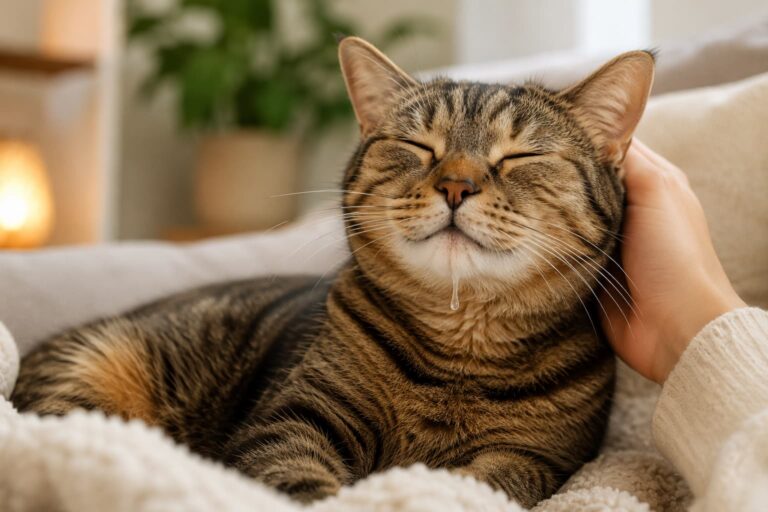
One of the most beautiful things you can know about cats: when your cat gazes at you softly and then slowly blinks — closing their eyes for a moment in your presence — that is a cat kiss. It’s called the slow blink, and it’s one of the clearest expressions of trust and affection in feline body language.
Closing your eyes in front of another animal is an act of profound vulnerability. A cat that slow-blinks at you is saying: I feel completely safe with you. I trust you enough to close my eyes.
Studies suggest that slow blinking between cats and their owners releases oxytocin — the same bonding hormone involved in human love and attachment. You can return the slow blink to strengthen the bond. Look at your cat softly, then slowly close and open your eyes. Many cats will blink back.
| 💡 Try this now Next time your cat stares at you, try the slow blink. Narrow your eyes softly, then slowly close and reopen them. A bonded cat will often blink back. It’s one of the most direct ways to communicate ‘I love you’ in cat language. |
2. The hunger stare — timed with precision
If your cat stares at you and then immediately looks toward their food bowl, leads you to the kitchen, or vocalises after making eye contact — this is the hunger stare. Cats learn your feeding schedule with remarkable precision and begin the attention campaign well in advance.
Cats are extraordinarily good at reading routine. If breakfast typically follows your morning bathroom trip, your cat will stare at you the moment you emerge from the bedroom, tracking whether the sequence has begun. The stare is simply efficient communication: ‘You know what happens next.’
3. The attention stare — asking you to engage
Your cat is staring at you, you make eye contact, and they immediately roll over, meow softly, or come toward you. This is an attention request. The stare was the opening move in a social bid — they wanted you to notice them, and now that you have, they’re ready to engage.
According to experts at PetMD, cats stare to communicate needs and emotions, and attention-seeking is one of the most common drivers. If your cat regularly stares at you while you’re absorbed in something, they’re asking to be included in your attention.
4. The predator stare — tracking your movement
Cats are hunters. Their eyes are designed to detect motion, judge distance, and lock onto prey with extraordinary precision. Sometimes when your cat stares at you, they’re doing exactly what their eyes evolved to do — tracking movement.
This stare is different in quality: it tends to be more intense and focused, often with slightly dilated pupils, and your cat’s body may be low and coiled. They may be watching your hands, your feet, or anything that moves. This isn’t aggression — it’s the predator brain running its programming. A wand toy redirects this immediately.
5. The communication stare — reading your mood
Cats that live closely with humans become remarkably good at reading our body language, facial expressions, and emotional states. Your cat may stare at you to gather information — are you happy? Stressed? About to do something interesting? About to leave?
This observational staring is your cat being attentive and socially intelligent. Cats notice things humans don’t realise they’re broadcasting. If you’ve ever had your cat come sit with you exactly when you’re having a difficult day, this is the same mechanism — they read the signals and respond.
6. The challenge or territory stare — rare but real
In feline communication, a prolonged hard stare between cats signals dominance or territorial challenge. In multi-cat households, you may observe this dynamic. Cats occasionally direct a version of this toward humans — a tense, fixed stare with dilated pupils, rigid body, and often a twitching tail.
This stare looks fundamentally different from the affection stare: the body is tense rather than relaxed, the pupils are large rather than soft, and the overall energy is alert and watchful rather than calm. Breaking eye contact gently, speaking softly, and giving the cat space usually resolves the tension quickly.
7. The health stare — when something is wrong
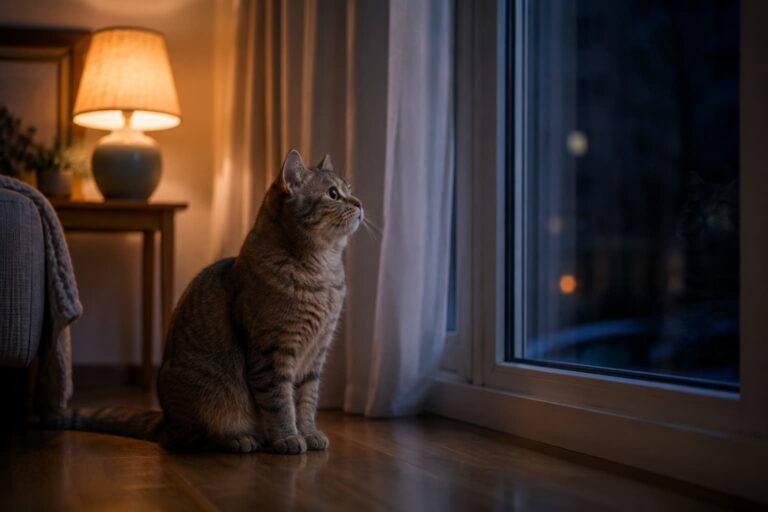
In rare cases, unusual or changed staring behaviour can signal a medical issue. A cat that stares at walls, stares at nothing for extended periods in a confused or unfocused way, or whose staring is accompanied by other behavioural changes, deserves a vet investigation. Neurological conditions, hypertension, and cognitive decline can all affect a cat’s visual and attentional behaviour.
If your cat’s staring is new, seems confused rather than purposeful, or comes with other unusual behaviours — consult your vet.
Should you stare back at your cat?
It depends on how you do it. A soft, relaxed gaze with slow blinking is a positive interaction — you’re speaking cat. An intense, unblinking hard stare can register as a threat or challenge and make your cat uncomfortable. The difference is in the eyes and body: soft versus hard, relaxed versus tense.
The golden rule: always soft eyes, never a fixed unblinking stare. Pair any eye contact with a slow blink for the most positive result.
Frequently asked questions
| Q: Why does my cat stare at me while I sleep?A: You’re still and vulnerable — exactly the conditions that trigger a cat’s monitoring instinct. Your cat may be keeping watch over you, waiting for you to wake up (possibly to be fed), or simply tracking the most interesting thing in their territory (you). It’s rarely sinister — though we understand it can feel that way at 3am. |
| Q: Why does my cat stare at me without blinking?A: Cats naturally blink less than humans — their eyes are designed to detect motion and they don’t need to blink as frequently to keep their corneas moist. An unblinking stare isn’t necessarily intense or aggressive; it may simply be how they’re looking at you. Read the body language around the eyes to interpret the meaning. |
| Q: Why does my cat stare at nothing?A: Cats can hear and smell things that are completely imperceptible to humans. Your cat staring at ‘nothing’ is usually tracking a sound — a mouse in the walls, an insect behind furniture, water in pipes — or following a scent. Occasionally, particularly in older cats, staring at nothing can indicate cognitive changes worth mentioning to your vet. |
| Q: What does it mean when a cat makes eye contact with you?A: Eye contact from a calm, relaxed cat is generally a positive sign — they feel comfortable enough with you to meet your gaze. Pair it with a slow blink and it becomes an exchange of affection. Intense, hard-eyed contact from a tense cat is a different message: back off and give them space. |
If you want to dig deeper, check out our guide on why do cats purr?.
We also have a complete guide on why do cats knead?.
This post is part of our complete cat behaviour library. For the full guide covering all 18 cat behaviours in one place, visit our complete cat behaviour guide.
Frequently Asked Questions: The Cat Stare Explained
Should I be worried when my cat stares at me without blinking?
A cat stare is usually a form of communication rather than a warning sign. Unblinking eye contact from a cat often signals alertness, curiosity, or focus — it doesn’t necessarily mean aggression. The key is reading the rest of your cat’s body language. A relaxed body and slow blink accompanying a cat stare indicate trust and affection. A stiff posture, flattened ears, and dilated pupils alongside a hard stare are more concerning.
What does it mean when my cat stares at me while I sleep?
This is a common experience and usually means your cat is watching over you — a behaviour rooted in their social bonding instincts. A cat stare while you’re sleeping often precedes a demand for food or attention when you wake. It can also simply be curiosity. Cats are crepuscular and often active at dawn, so early morning cat stare sessions are your cat checking whether you’re about to get up and serve breakfast.
Can I stare back at my cat?
Yes, but with nuance. In cat communication, prolonged direct eye contact can read as a challenge or threat. The better approach to reciprocating a cat stare is to do a slow blink — close your eyes slowly and reopen them. If your cat slow-blinks back, that’s a sign of mutual trust. This “cat kiss” is one of the most effective ways to strengthen the bond between you and your cat.
PetMD → https://www.petmd.com/cat/behavior/why-does-my-cat-stare-at-me
Chewy → https://www.chewy.com/education/cat/training-and-behavior/why-does-my-cat-stare-at-me
| ⚠️ Disclaimer This article is for informational purposes only and does not constitute veterinary advice. If you are concerned about changes in your cat’s behaviour, please consult your veterinarian. |
This article is written for informational purposes and reflects the personal experience and research of the author. It does not replace professional veterinary or dog training advice. Always consult your veterinarian or a certified trainer for individual guidance.